0%

In the hustle and bustle of material handling, getting things done efficiently is pretty much everything. Companies are always on the lookout for ways to make operations smoother and faster. One trick that’s been gaining popularity is mastering the 'Lift Arm Quick' technique. It’s a game-changer when it comes to lifting stuff—making the process not only quicker but also safer.

Implementing 'Lift Arm Quick' can really cut down on downtime. If workers can make quick adjustments instead of messing around for minutes, it saves a ton of time. Just picture a lift that takes seconds instead of minutes—that's a huge difference, right? Of course, it takes some practice and good coordination to pull it off. Hitting a wrong move or hesitating can cause hold-ups, so it’s not always smooth sailing.

Another thing to keep in mind is that every company’s a little different, so you can’t just copy-paste the same techniques. Proper training is key—without it, people might struggle to stay consistent. It’s all about continuously assessing what’s working and making tweaks along the way. Having a growth mindset helps big time here because, let’s be honest, the journey might have its ups and downs. But with persistence and patience, you’ll get there in improving your handling processes.

Best Lift Arm Quick Techniques for Efficient Handling?

Essential Principles of Lift Arm Mechanics

Understanding lift arm mechanics is crucial for efficient handling. Lift arms serve as the backbone of many machines. They allow movement, leverage, and stability. Proper usage enhances productivity and safety.

One essential principle is balance. Distributing weight correctly across the lift arm can prevent tipping. Avoid loading one side too heavily. This can lead to accidents or mechanical failures. Stability is key for smooth operation.

Tips: Regularly inspect your lift arm for wear and tear. Small issues can lead to serious problems. Maintaining lubrication can prolong functionality. Adjust your technique based on the load you’re handling. Each task may require a different approach. Recognizing these nuances is vital for success.

Lift Arm Handling Efficiency Techniques

This chart illustrates the efficiency of various lift arm techniques based on handling time and load weight, providing insights into optimal practices for improved productivity.

Common Challenges in Lift Arm Handling

Handling lift arms efficiently presents various challenges in the industry. Many operators face difficulties, especially with weight distribution. According to a recent industry report, improper weight management can increase the risk of accidents by 30%. It’s essential to balance loads properly to maintain stability during lifting operations.


Another common challenge is operator fatigue. Extended hours of manipulation can lead to decreased attention and increased error rates. Research indicates that 40% of incidents are related to human error, often stemming from fatigue. Implementing regular breaks and training sessions may help mitigate this risk.


Furthermore, environmental factors play a significant role. Poor visibility and uneven surfaces can create unsafe situations for lift arm operation. A survey showed that nearly 25% of incidents occur due to environmental miscalculations. It's vital to assess work conditions frequently and adapt handling techniques accordingly. Addressing these challenges requires ongoing reflection and improvement in operational practices.

Quick Techniques for Efficient Lift Arm Operation

Best Lift Arm Quick Techniques for Efficient Handling?

Efficient lift arm operation is crucial in many industries, particularly in logistics and construction. The right techniques can significantly improve productivity. Reports indicate that efficient handling can enhance throughput by up to 25%. Learning quick techniques is essential for maximizing performance.

Tips for smooth operation include proper adjustment. Ensure the lift arm aligns with the load. This prevents unnecessary strain and improves balance. An estimated 30% of accidents stem from misalignment. Another key area is communication. Always signal clearly with team members when moving heavy loads. This reduces risks and avoids injuries.

Practicing these techniques can reveal areas for improvement. Regularly assessing your approach may uncover inefficient habits. For instance, many operators skip safety checks in haste. This can lead to costly mistakes. Recognizing potential pitfalls is vital for maintaining an efficient and safe workspace.

Safety Considerations for Lift Arm Usage

When using lift arms, safety should always be the top priority. Operators must be aware of the surrounding environment. Ensure the area is clear of obstacles and people. Always wear appropriate protective gear. This includes safety glasses and hard hats. Neglecting personal safety can lead to serious injuries.

Tips: Always conduct a pre-operation inspection. Check for leaks, wear, or damage. It’s crucial to ensure everything functions well before starting. Make sure to communicate clearly with your team. A simple signal can prevent accidents.

Even with caution, accidents may still happen. Equipment may malfunction unexpectedly. Keep a first aid kit nearby. Regular training sessions can help everyone stay informed. Remember, lift arms are powerful tools. Handle them with respect.

Tools and Equipment for Enhanced Lift Arm Efficiency

When discussing tools and equipment for lift arm efficiency, it’s crucial to consider various options available. Efficient hydraulic lifts can significantly reduce the physical effort required. A well-maintained hydraulic system ensures smooth operations. Regular checking of hoses and fittings can prevent leaks, making work safer.

Using lightweight materials for attachments can enhance handling. These attachments can help with various tasks, from moving heavy items to clearing debris. Ensuring that the right tool is chosen for the job is essential. Sometimes, operators skip this step, leading to inefficient results.

Workspaces can impact performance as well. A cluttered area increases the likelihood of accidents. Keeping the area organized allows for quicker access to tools. Reflecting on past experiences can lead to better choices. Operators must learn from mistakes to improve efficiency. The right combination of equipment and thoughtful planning leads to better results.

Maintenance Tips for Optimal Lift Arm Performance

Maintaining lift arms is crucial for efficient handling. Regular inspections can prevent serious issues. Check for wear and tear regularly. Look for cracks or rust. These signs indicate that maintenance is overdue. Replace worn components promptly to avoid larger problems later on.

Lubrication is another key aspect. Proper lubrication reduces friction and enhances performance. Make sure to use the right type of lubricant. Apply it evenly to all moving parts. Overdoing it can cause mess and attract dirt. Balance is essential for optimal performance.

Storage can impact lift arm longevity, too. Protect your lift arms from extreme weather. Ideally, store them in a dry environment. Cover them if left outside. Neglecting these tips may lead to unexpected failures. Reflect on your maintenance habits regularly. Improvement can lead to better efficiency.

Best Lift Arm Quick Techniques for Efficient Handling - Maintenance Tips for Optimal Lift Arm Performance

Technique Description Frequency of Use Estimated Time Effectiveness Rating
Lubrication Regularly apply lubricant to joints and pivot points to reduce friction. Monthly 15 minutes ★★★★☆
Visual Inspection Check for wear, damage, and proper alignment before operation. Weekly 10 minutes ★★★★☆
Adjust Tension Ensure correct tension on lift arms to improve handling performance. Quarterly 30 minutes ★★★★★
Replace Worn Parts Identify and replace any worn or damaged components to ensure safety. As needed Varies ★★★★★
Calibrate Controls Regularly calibrate controls to ensure responsive operation. Biannually 25 minutes ★★★★☆

Comparative Analysis of Techniques for Lift Arm Handling

When it comes to lift arm handling, various techniques can enhance efficiency. Techniques vary in complexity and effectiveness. Some methods rely on body mechanics, while others utilize tools. Analyzing these methods can lead to better practices in workspace settings.

One effective technique involves correct posture during lifting. Aligning the back and using leg strength can minimize strain. However, many overlook the importance of engaging the core. Often, this leads to fatigue and injury. Another popular method is using assistive devices. Though helpful, they may not be accessible in all environments. The reliance on tools can breed complacency.

Training sessions often highlight various techniques. Yet, hands-on experience is crucial. Real-life application reveals gaps in knowledge. Each technique has its pros and cons. Practitioners must reflect on their adaptability. Regular assessment fosters improvement and safety. As techniques evolve, so must our understanding.

Effortless Vehicle Maintenance: The Benefits of Using a Portable Car Quick Lift Rubber Pad

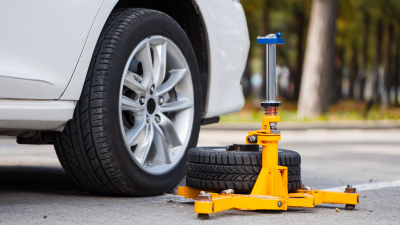
In today’s fast-paced automotive world, efficient vehicle maintenance is more critical than ever. An essential tool that aids in this endeavor is the portable car quick lift with a rubber pad, specifically designed to bolster vehicle support during maintenance tasks. The LRP-1 Polyurethane Rubber Pad exemplifies how integrating modern materials can enhance vehicle care. It is tailored for vehicles equipped with clip welded rails, providing a seamless fit that relieves pressure on the rubber pad, which in turn ensures stability and support when lifting your vehicle.

Data from industry reports indicates that effective vehicle maintenance can extend a car's lifespan by up to 50%. Such longevity not only saves money over time but also contributes to safety and performance on the road. Utilizing a quick lift equipped with the LRP-1 rubber pad not only simplifies maintenance tasks but also minimizes the risk of damage to your vehicle during service. The design of the LRP-1 pad enables it to accommodate all series of quick lift models, making it a versatile companion for both amateur and professional mechanics alike.

Employing the right tools, like the LRP-1 rubber pad, significantly streamlines the maintenance process. By facilitating easier access to vehicle components and providing secure support, this accessory allows for a more efficient workflow. Ultimately, the ease of maintenance offered by portable lifts and their rubber pads is invaluable in optimizing vehicle performance, ensuring that maintenance becomes less of a chore and more of an effortless routine.

FAQS

: Why is efficient lift arm operation important?

: Efficient lift arm operation improves productivity and can enhance throughput by up to 25%.

How can I ensure proper lift arm alignment?

Align the lift arm with the load to prevent strain and increase balance during operation.

What communication practices should I use when operating a lift arm?

Always signal clearly to team members when moving heavy loads to reduce risks.

What can I do to identify inefficient habits?

Regularly assess your techniques and observe if you skip safety checks in a hurry.

How can I maintain a hydraulic lift system?

Regularly check hoses and fittings to prevent leaks and ensure smooth operations.

What type of materials should I use for attachments?

Lightweight materials for attachments can enhance handling and improve efficiency.

How does workspace organization affect lift arm operation?

A cluttered area increases accident risk, while an organized space allows quicker access to tools.

What should operators reflect on for improvement?

Operators should learn from past mistakes and experiences to enhance overall efficiency.

Why do some operators skip tool selection?

Some may overlook this step, leading to inefficient results and potential risks.

What is the key to achieving better lift arm results?

Combining the right equipment with thoughtful planning is crucial for improved performance.

Conclusion

The article "Best Lift Arm Quick Techniques for Efficient Handling" presents a comprehensive overview of essential principles and methods for maximizing lift arm performance. It addresses the common challenges faced in lift arm handling and introduces quick techniques designed to enhance operational efficiency. Emphasizing safety considerations, the article advises on best practices for using lift arms safely while also suggesting tools and equipment that can improve efficiency during operation.

Additionally, the maintenance tips provided are crucial for ensuring optimal lift arm performance over time. A comparative analysis of different techniques for lift arm handling helps users select the best approaches suited for their specific needs. Overall, this article serves as a valuable guide for anyone looking to implement Lift Arm Quick strategies for better handling and effectiveness in their operations.

Ethan

Ethan

Ethan is a dedicated marketing professional at Yantai Tonghe Precision Industry Co., Ltd., where he plays a vital role in promoting the company's innovative hydraulic control systems, cylinders, and car lifts. With a remarkable expertise in the intricacies of these advanced products, he......
Previous Innovative Solutions for Maximizing Efficiency with the Best 6000 Lb Car Lift