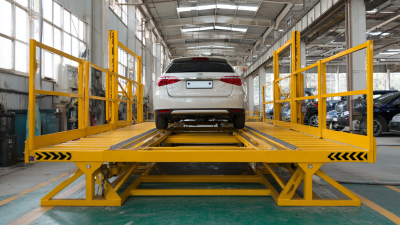
When you're dealing with car repairs and maintenance, safety and efficiency really matter, right? So, you might have heard folks talk about something like 'Car Lift Quick' — basically, the need for fast but secure lifting solutions that keep things moving smoothly in garages or service stations. Using car lifts the right way not only speeds up repairs but also keeps both the technicians and the vehicles safe. Knowing how to operate these lifts properly is pretty important, whether you’re a pro knocking out work daily or a DIY’er trying to fix your own ride.
In this guide, we’re gonna cover the essentials — safety tips, maintenance tricks, and best practices to make your lift usage more efficient. If you’re experienced or just starting out, getting a good handle on how to use car lifts properly can really level up your skills and make your work much easier. So, let’s dive into the key things you need to know to work safely and effectively with your lifts, and make sure that your experience with 'Car Lift Quick' is not only productive but also safe and stress-free.

Understanding Car Lifts: Types and Their Applications
In understanding car lifts, it’s essential to recognize the various types available and their specific applications. Car lifts are primarily categorized into two main types: two-post and four-post lifts. Two-post lifts are designed for quick access to a vehicle's undercarriage, making them ideal for tire changes, brake work, and general maintenance. They provide a compact footprint, which is beneficial for smaller garages, while still allowing for substantial lifting capacity.
On the other hand, four-post lifts offer greater stability and support, making them suitable for heavier vehicles. This type is often used in commercial settings for car storage, as they allow vehicles to be stacked vertically, maximizing space. Furthermore, specialized lifts such as alignment racks or scissor lifts cater to particular mechanical tasks, enhancing efficiency in automotive services. As the automotive market continues to expand, understanding the appropriate application of each lift type becomes imperative for ensuring safety and optimizing workflow in garages and service centers.
Essential Safety Standards for Car Lift Operation
When operating a car lift, adhering to essential safety standards is paramount to ensure the well-being of both operators and vehicles. According to the Occupational Safety and Health Administration (OSHA), improper use of car lifts contributes to numerous workplace accidents each year. The National Institute for Occupational Safety and Health (NIOSH) reports that among these incidents, approximately 20% result in serious injuries, underscoring the importance of following established guidelines.
Incorporating safety standards such as regular maintenance and inspection can drastically reduce the risk of accidents. The American National Standards Institute (ANSI) mandates that car lifts undergo thorough examinations at least once a year, and this proactive approach can help identify any mechanical issues before they pose a danger. Additionally, using lifts equipped with safety features like automatic locking mechanisms and weight sensors can significantly enhance operational safety. Statistically, workplaces that implement stringent safety protocols see a 40% decrease in lift-related accidents, proving that prioritizing safety not only protects personnel but also increases productivity.
Car Lift Usage Safety Standards
This chart illustrates essential safety standards for car lift operation, showing critical metrics such as weight capacity, maintenance checks, operator training hours, and safety inspections per year.
Key Features to Consider When Choosing a Car Lift
When selecting a car lift, there are several key features that significantly impact both safety and efficiency. One major consideration is the lift's capacity. According to a report by the Automotive Lift Institute, properly choosing a lift involves ensuring it can handle the maximum weight of the vehicles you work with. For standard passenger vehicles, a lift with a capacity of 6,000 to 10,000 pounds is often recommended, while heavy-duty lifts can support weights up to 30,000 pounds for commercial applications. Ensuring the lift matches the weight requirements is crucial to prevent accidents and equipment damage.
Another essential feature to consider is the type of lift mechanism. There are various options available, including two-post, four-post, and scissor lifts. Each design has its pros and cons. For instance, a two-post lift offers easy access to the undercarriage, making it suitable for quick maintenance tasks, while a four-post lift provides stability for longer service jobs. According to a survey by AutoService World, 70% of mechanics prefer four-post lifts for their versatility and safety in handling various types of vehicles. As the industry evolves, investing in lifts with advanced safety features, such as automatic locking systems and hydraulic pumps, is also becoming increasingly important to ensure compliance with safety standards and enhance overall operational efficiency.
Proper Installation Techniques for Optimal Performance
When installing a car lift, adherence to proper techniques is crucial for achieving optimal performance and ensuring safety. Studies indicate that the majority of lift-related accidents stem from improper installation or maintenance practices. According to the Automotive Lift Institute, about 7% of lift-related incidents are linked to installation errors. Therefore, understanding the recommended installation guidelines can significantly reduce risks.
One key tip during installation is to ensure that the lift is placed on a level, solid surface. This helps distribute the weight evenly and prevents movement during operation. Additionally, it is essential to follow the manufacturer's specifications for anchoring and securing the lift to the ground. Misalignment of even a fraction of an inch can lead to dangerous situations. Regularly inspect the lift for wear and tear, as a proactive approach can help maintain efficiency and safety standards.
Another vital consideration is the electrical setup. Proper wiring and grounding are mandatory to prevent electrical hazards. The National Fire Protection Association highlights that electrical issues are responsible for a considerable percentage of lift malfunctions. Always consult with a certified electrician for installation to comply with safety regulations and boost the longevity of your equipment. Adhering to these tips not only enhances the performance of your car lift but also contributes to a safer working environment.
Routine Maintenance Practices for Longevity and Safety
Routine maintenance is essential for ensuring the longevity and safety of your car lift. Regular inspections should be a top priority; check for any signs of wear and tear, such as frayed cables or loose bolts. It's advisable to follow the manufacturer’s recommendations for maintenance schedules to keep your equipment in optimal condition.
Tips: Document all maintenance activities and inspections in a logbook. This not only helps in tracking the condition of your car lift but also provides valuable information if repairs are needed in the future.
Additionally, lubricate moving parts regularly to minimize friction and prevent wear. Clean the hydraulic system and check for fluid leaks, as hydraulic issues can compromise the lift’s stability.
Tips: Use a high-quality lubricant suitable for your car lift’s specific mechanics. Furthermore, ensure that the lift is leveled properly each time it's set up, as an uneven surface can lead to unsafe operating conditions.
Common Mistakes to Avoid When Using Car Lifts
When utilizing car lifts, safety and efficiency are paramount. One of the most common mistakes is overlooking the weight capacity of the lift. Each car lift has a specified load limit, and exceeding this can lead to mechanical failures and accidents. Operators must thoroughly read the manufacturer’s guidelines to ensure they do not jeopardize safety. Proper placement of the vehicle on the lift is equally important; improper positioning can result in instability, increasing the risk of tipping over or damaging the vehicle.
Another frequent error is neglecting regular maintenance of the car lift. Without routine checks and servicing, hydraulic systems can deteriorate, leading to leaks and operational issues. Companies like Yantai Tonghe Precision Industry Co., Ltd., which specializes in hydraulic control systems and car lifts, emphasize the significance of adhering to maintenance schedules. Ensuring that the lift is in prime condition not only enhances performance but also extends the lift’s lifespan, ensuring that it remains a reliable tool for auto servicing. Proper training for all personnel operating the lifts is essential to foster a culture of safety and efficiency in any automotive environment.
Car Lift Quick: What You Need to Know for Safe and Efficient Use - Common Mistakes to Avoid When Using Car Lifts
| Common Mistakes |
Description |
Safety Tip |
Efficiency Tip |
| Ignoring Capacity Limits |
Using a lift that cannot support the weight of the vehicle. |
Always check the lift's weight capacity before use. |
Use lighter tools and equipment to stay within capacity. |
| Poor Stabilization |
Failing to properly stabilize the vehicle before lifting. |
Always engage the parking brake and place wheel chocks. |
Adjust lift arms before raising for maximum stability. |
| Neglecting Regular Maintenance |
Failing to perform routine checks on lift functionality. |
Schedule regular inspections and maintenance. |
Keep a log of maintenance to ensure timely servicing. |
| Rushing the Process |
Not taking the time to ensure all steps are followed. |
Always double-check all connections and settings. |
Create a checklist to follow each time you use the lift. |
| Inadequate Training |
Not being properly trained on how to use the lift. |
Ensure all operators are trained and certified. |
Conduct regular training refreshers for all personnel. |
Regulatory Compliance: Guidelines for Car Lift Use in Workshops
Ensuring regulatory compliance for car lift use in workshops is crucial for maintaining safety and efficiency. Recent data from the Occupational Safety and Health Administration (OSHA) highlights that lifting equipment is frequently cited in safety violations. In particular, lifting operations accounted for a significant percentage of workplace injuries, underscoring the need for stringent adherence to safety standards. Establishing clear procedures and providing proper training can mitigate risks associated with improper use.
Moreover, as businesses become more aware of the importance of safe lifting practices, industry experts suggest a strategic rethinking of safety protocols. Organizations like SafeWork SA emphasize the importance of adopting innovative safety strategies tailored to the specific risks of mechanical lifting. For instance, proper inspection schedules and maintenance of hydraulic systems, a key focus for companies like Yantai Tonghe Precision Industry Co., Ltd., can significantly enhance operational safety. With regulations evolving, it is imperative for workshops to stay informed about the latest guidelines concerning workplace safety and compliance to minimize the potential for accidents and injuries.
FAQS
: Essential safety standards include regular maintenance and inspection, adherence to manufacturer guidelines, and utilizing lifts with safety features such as automatic locking mechanisms and weight sensors.
Following safety standards is crucial because improper use of car lifts can lead to numerous workplace accidents and serious injuries. Approximately 20% of lift-related incidents result in severe injuries, highlighting the importance of safety compliance.
The American National Standards Institute (ANSI) mandates that car lifts undergo thorough examinations at least once a year to identify any mechanical issues proactively.
Exceeding the specified load limit of a car lift can lead to mechanical failures, accidents, instability, and potential tipping over of the vehicle.
A common mistake is improper placement of the vehicle on the lift, which can result in instability and increase the risk of accidents or damage to the vehicle.
Neglecting routine maintenance can lead to deterioration of hydraulic systems, resulting in leaks and operational issues that compromise the functionality and safety of the lift.
Workplaces that implement stringent safety protocols can see a 40% decrease in lift-related accidents, enhancing both safety and productivity.
Proper training is essential to foster a culture of safety and efficiency, ensuring that operators understand the safety standards and operational procedures.
Companies can ensure the longevity and reliability of car lifts by adhering to maintenance schedules and performing regular checks to keep the equipment in prime condition.
Conclusion
In "Car Lift Quick: What You Need to Know for Safe and Efficient Use," we delve into essential aspects of car lifts, highlighting various types and their applications for effective utilization. Safety standards are paramount, and understanding these guidelines ensures a secure working environment. Key features like load capacity, lift height, and ease of operation are critical when selecting a car lift, ensuring maximum efficiency and safety.
Proper installation techniques are vital for optimal performance, while routine maintenance practices play a significant role in enhancing the longevity of the equipment. We also address common mistakes to avoid, ensuring users maximize their efficiency without compromising safety. Finally, compliance with regulatory guidelines is crucial for workshops, reaffirming the commitment to safe practices. At Yantai Tonghe Precision Industry Co., Ltd., we specialize in hydraulic control systems and car lifts, ensuring that our products meet these critical standards for safe and effective use.