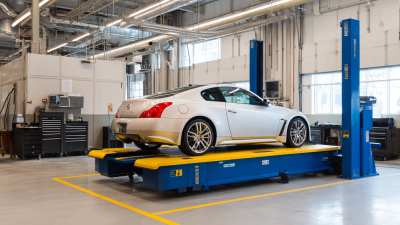
Picking the best portable car jack lift from China for folks around the world isn’t just about crunching price numbers. You’ve gotta make sure it matches your vehicle's weight, has the right lifting range, and works well with your power setup and work environment. When you actually check out the product, the small details can make all the difference when it comes to safety. For instance, the jack needs to sit steady even on uneven garage floors, and the control switch should be easy to reach during the lift. Look at the welds on the frame—are they clean? Are the joints solid? And don’t forget to check for clear warning labels. Those little things really matter.
Chinese manufacturers have a ton of options for portable car jacks—perfect for garages, roadside assistance, dealerships, or just regular car owners. But before you order, it’s smart to ask for load test records, detailed specs, user manuals, and info on quality control. A reputable supplier should honestly explain the lifting capacity—they often talk about the rated capacity, which isn’t always what you should use every day, so keep an eye out for that. Sometimes, something cheaper looks tempting, but if it doesn’t have reliable after-sales support, you might end up waiting ages for replacements or repairs.
You’ll also want to double-check packaging quality, availability of spare parts, plug standards for your region, and how well it’s protected during shipping. A damaged control cable, for example, can render a perfectly good lift useless. Exporters with experience tend to give clearer docs and stay in touch better, but don’t just take their word for it—do some homework. Photos are great, but ask for videos, inspection reports, and references from similar markets. The cheapest option isn’t always the best. Ideally, you want a lift that offers a good balance: backed by transparent info, solid engineering, and friendly, helpful support. Even if you’re experienced, don’t forget to consider your local workshop conditions—those details can sneak up on you, so take your time to evaluate carefully.

What Is a Portable Car Jack Lift?
A portable car jack lift is a compact device designed to raise part of a vehicle for inspection, tire replacement, or limited maintenance. Unlike a fixed workshop lift, it can fit inside a trunk or service vehicle. Its main parts usually include a lifting arm, saddle, pump or motor, release valve, and a broad support base.
The word portable can be misleading. A small jack is not automatically suitable for every car. Buyers should compare its rated capacity with the vehicle’s actual weight, then check the approved lifting points in the owner’s manual. A stable saddle should contact the vehicle firmly, while the base should remain level on solid ground. Never rely on the jack alone when working beneath a raised vehicle; properly rated support stands are essential.
In practical use, weight matters. A steel hydraulic model may feel reassuring, but it can be difficult to carry upstairs or across a large parking area. An electric model may save effort, yet its cable length, battery condition, and emergency lowering method deserve close attention. Measure the closed height before purchasing. It must slide beneath a car with a flat tire. Check the lifting range too. Many buyers overlook this detail.
Weather creates another concern. Cold temperatures can slow hydraulic movement, while dust may affect moving parts. Regular inspection is simple: examine leaks, bent components, worn pads, and damaged cables. Portable equipment is convenient, but convenience sometimes encourages rushed placement. That is where mistakes happen.
Main Types of Portable Car Jack Lifts
China Best Portable Car Jack Lift for Global Buyers?
Main Types of Portable Car Jack Lifts
Portable car jack lifts generally fall into four types: scissor, bottle, floor, and electric units. Scissor jacks are compact and light, making them suitable for emergency tire changes. Their narrow bases, however, need firm, level ground. Bottle jacks provide higher lifting capacity in a small body. They suit vans, trucks, and vehicles with higher chassis clearance. Floor jacks roll on wheels and offer better stability in workshops, but they require more storage space. Electric jacks reduce physical effort, yet their motors and cables need careful inspection.
A 2024 automotive equipment review by Grand View Research forecasts more than 5% annual growth in the global automotive jacks market through 2030. That growth reflects demand for safer maintenance tools and increasing vehicle ownership. Capacity should match the vehicle’s gross weight, not only its curb weight. The jack should lift the vehicle, while approved stands support it. Never work beneath a vehicle held only by a jack.
Small details matter. Check the saddle shape, minimum height, maximum lift, handle length, and base width. ASME PASE guidance also emphasizes rated capacity, stability, and controlled lowering for portable service equipment. A larger capacity is not automatically safer. It can be heavier and harder to position. I would not choose by price alone; that shortcut looks clever until the first uneven roadside surface. Even experienced users can overlook corrosion around the pump or a damaged hydraulic seal.
Key Features for Global Buyers to Compare
China Best Portable Car Jack Lift for Global Buyers?
Key Features for Global Buyers to Compare
When comparing a portable car jack lift, start with rated capacity, not advertising speed. A compact unit should match the vehicle’s weight with a clear safety margin. Check the lifting range against the lowest and highest points you service. Measure your car’s jacking points. Small differences matter. A wide, stable base helps on firm, level ground, while a padded saddle reduces contact damage. Steel construction adds confidence, but it also increases carrying weight.
Global buyers should compare power options carefully. Confirm voltage, frequency, plug type, cable length, and battery availability. Hydraulic models need clean fluid, sealed fittings, and a dependable release control. Electric models need overload protection and a manual backup method. Look for load holding, emergency lowering, and visible operating instructions. Safety documents should identify test methods, rated loads, and maintenance intervals. Vague claims are not enough. Local service access matters. Spare seals, fuses, adapters, and replacement saddles can prevent long downtime.
Packaging deserves attention. A lift arriving with bent handles or missing hardware is not a bargain. Ask for verified dimensions, packed weight, control-panel photos, and realistic delivery terms. Certifications may differ by destination, so confirm documents with the importer or local authority. Do not judge by the lowest price. In practical testing, record lifting time, noise, stability, and heat after repeated cycles. One honest limitation remains: portability can reduce capacity or speed. Accept that trade-off before purchase, not after a roadside failure.
How to Choose the Right Jack for Your Vehicle
China Best Portable Car Jack Lift for Global Buyers?
How to Choose the Right Jack for Your Vehicle
Choosing the right portable car jack starts with your vehicle, not the lowest price. Check the owner’s manual for curb weight, approved lifting points, and required lift height. The jack’s rated capacity should comfortably exceed the load at one corner. A vehicle weighing 1,800 kilograms does not place 1,800 kilograms on one jack, but a generous margin matters. Never estimate from appearance. Small SUVs can be surprisingly heavy.
Measure the clearance beneath the lifting point before buying. A low-profile jack may suit a sports car, while a taller model may fit a pickup better. Confirm that the maximum lift reaches the suspension or frame point without awkward extensions. Match the saddle shape to the reinforced contact area. I prefer a stable, wide base on concrete or firm asphalt. Soft soil is a poor test surface. Very poor.
Before lifting, park on level ground, engage the parking brake, and chock the wheels. Read the operating instructions, even if the mechanism looks familiar. Raise the vehicle slowly and keep hands away from pinch points. A portable jack is for lifting, not supporting a vehicle during repairs; use properly rated stands. Inspect welds, pins, wheels, and hydraulic seals before each use. I once focused too much on lifting speed and overlooked storage corrosion. That mistake changed my checklist. Consider handle length, carrying weight, release control, spare parts, and clear capacity markings. Write those measurements down before comparing models.
China Best Portable Car Jack Lift for Global Buyers? - How to Choose the Right Jack for Your Vehicle
| Portable Jack Type |
Typical Rated Capacity |
Typical Lift Range |
Approx. Product Weight |
Best Vehicle Applications |
Main Advantages |
Important Limitations |
Key Selection Criteria |
| Mechanical Scissor Jack |
1.0–2.0 tonnes |
Approximately 90–390 mm |
2–4 kg |
Compact cars, sedans and emergency roadside wheel changes |
Lightweight, compact, inexpensive and does not require electricity |
Slow operation; requires considerable manual effort; limited stability on unsuitable surfaces |
Check the minimum height, maximum height, saddle shape and vehicle manufacturer’s lifting points |
| Hydraulic Bottle Jack |
2–6 tonnes for common portable models |
Approximately 180–450 mm |
2–8 kg |
Pickups, SUVs, vans and vehicles with sufficient ground clearance |
High lifting capacity in a compact vertical design; relatively fast lifting |
Often too tall for low-clearance vehicles; must remain upright during use |
Confirm the closed height, rated load, base stability and compatibility with the chassis clearance |
| Hydraulic Trolley Jack |
1.5–3.0 tonnes for portable garage models |
Approximately 75–500 mm |
10–30 kg |
Home garages, workshops, sedans, SUVs and light commercial vehicles |
Good stability, broad lifting range and easier positioning on smooth hard floors |
Heavier and less convenient to carry in a vehicle; not suitable for soft or uneven ground |
Evaluate folded size, wheel quality, saddle diameter, overload protection and floor conditions |
| Electric Scissor Jack |
1.5–2.0 tonnes |
Approximately 120–450 mm |
3–8 kg |
Passenger cars and roadside emergency use where a 12 V power outlet is available |
Reduces manual effort; convenient for occasional tire changes; often supplied with a control switch |
Dependent on vehicle power; slower or less effective with a weak battery; should not be used beyond its rating |
Check 12 V current requirements, cable length, emergency manual backup and built-in overload protection |
| Electric Hydraulic Jack |
1.5–3.0 tonnes, depending on the model |
Approximately 135–450 mm |
5–12 kg |
Drivers seeking powered lifting for passenger cars, SUVs and light-duty vehicles |
Combines powered operation with hydraulic lifting; can reduce physical effort substantially |
Heavier and more expensive; electrical and hydraulic components require additional maintenance |
Verify the rated capacity, lifting speed, power-cable length, fuse protection and emergency lowering method |
| Air-Bag Jack |
2–4 tonnes for vehicle-recovery applications |
Approximately 100–700 mm, depending on the design |
10–25 kg |
Off-road vehicles and recovery work where a suitable compressed-air or exhaust-air source is available |
Can lift vehicles on some uneven surfaces; broad lifting area and rapid deployment in suitable conditions |
Requires an appropriate air source; puncture and heat risks must be managed; not ideal for routine passenger-car use |
Check air-source compatibility, hose heat resistance, lifting-point requirements and ground-surface limitations |
|
Typical specifications are shown as practical comparison ranges rather than universal product specifications. Always follow the vehicle manufacturer’s approved lifting points, use a level and stable surface, apply the parking brake, secure the wheels, and support the vehicle with properly rated axle stands before working underneath it. A jack is designed for lifting, not for supporting a vehicle for extended periods.
|
Step-by-Step Guide to Using a Portable Car Jack
Portable Car Jack Lift Guide for Global Buyers
Portable jacks are useful, but they are not harmless workshop toys.
NHTSA’s 2015 Traffic Safety Facts report recorded 738 deaths and roughly 32,000 injuries in tire-related crashes. That risk makes procedure essential.
Before lifting, park on firm, level ground and switch off the engine.
Engage the parking brake. Place wheel chocks opposite the lifting side. Small details matter.
Check the jack’s rated capacity against the vehicle manual and lifting point. ASME PASE-2019 highlights capacity, stability, and safe operation for portable automotive equipment. Inspect the saddle, handle, wheels, and hydraulic area for damage or leaks.
Position the saddle precisely under the approved point. Pump slowly until the tire leaves the ground. Keep hands and feet away from moving parts.
Never place any part of your body beneath a vehicle supported only by a jack.
Support the vehicle with correctly rated stands before removing the wheel.
I usually raise the vehicle only as high as necessary. Less height means less movement. After installing the stand, lower the jack gently until the load rests securely. Test stability with a light push, not a forceful shove.
I once underestimated uneven paving; the jack looked stable, but the base shifted slightly. That mistake deserves attention. Recheck the ground, stand position, and wheel chocks before continuing.
Lower the vehicle slowly, remove the tools, and tighten wheel fasteners according to the vehicle maker’s specification. Use the metric or imperial instructions supplied for your market.
Safety Standards, Certifications, and Quality Checks
A portable car jack should be judged by evidence, not lifting capacity alone. EN 1494 covers mobile jacks and requires stability, controlled lowering, and overload protection. In North America, ASME PASE addresses portable automotive service equipment. Buyers should request the current test report, rated-load certificate, and traceable serial number. A logo alone proves little.
The European Union’s 2023 Safety Gate report recorded 3,412 product alerts across consumer goods. That figure shows why market surveillance matters. For each shipment, inspect welds, hydraulic seals, locking pins, and the saddle’s contact surface. Check that the instruction label shows the safe working load, lifting points, and ground conditions. Test samples under a controlled load, then repeat the lowering cycle. Do not trust a single successful lift.
Real workshop experience exposes weaknesses quickly. A jack can raise a vehicle smoothly and still fail after heat, dust, or side loading. I would also examine packaging damage and corrosion after transport. This step is easy to miss. Certification may cover a tested model, not every production batch. Keep batch records, inspection photos, and calibration evidence. Never work beneath a vehicle supported only by a jack; use properly rated stands and follow local workplace guidance. Some suppliers resist destructive testing, but that hesitation deserves careful review.
China Best Portable Car Jack Lift for Global Buyers? Safety Standards, Certifications, and Quality Checks
This chart compares the publication or edition years of widely referenced international safety standards for portable automotive lifting equipment. The year is shown for reference only and does not represent a quality ranking. Global buyers should verify the applicable destination-market requirements, documented load testing, rated-capacity markings, stability checks, overload protection, weld quality, corrosion resistance, operating instructions, and traceability records before purchase.
References: EN 1494:2000+A1:2008, ASME PASE-2019, and ASME PALD-2022. Certification and conformity requirements may vary by product type and destination market.
Conclusion
A Portable Car Jack Lift is a compact tool designed to raise a vehicle for routine tasks such as tire changes, inspections, and minor maintenance. This article explains the main types, including scissor, bottle, trolley, and electric models, while comparing important features such as lifting capacity, minimum and maximum height, stability, portability, power source, and ease of storage. Global buyers can use these criteria to match a jack with their vehicle’s weight, ground clearance, and intended working environment.
The guide also presents a practical step-by-step method for positioning and operating the jack safely on firm, level ground, including securing the vehicle and using suitable support equipment when necessary. In addition, it highlights the importance of checking product labeling, load ratings, construction quality, operating instructions, and relevant safety certifications. By evaluating design, compatibility, quality control, and after-sales documentation, buyers can select a reliable Portable Car Jack Lift that offers convenient performance and responsible vehicle support.