0%

Picking the right mobile lift can actually feel pretty overwhelming, right? With so many options out there, it’s super important to find one that fits what you really need. Mobile lifts are these really handy tools used in all sorts of industries — from construction sites to auto shops. They make it so much easier and safer for workers to reach those hard-to-get-to spots.

Getting a grip on the main features of mobile lifts is key. Things like how much weight they can handle, how high they can go, and how easy they are to move around really matter. Every project’s different, too — for instance, a lift meant for indoor use isn’t exactly the same as one built for outdoor jobs. Thinking about what you actually need can really help you make a smarter decision.

A lot of folks new to this tend to focus only on the price, but honestly, that’s not the whole story. Quality and safety are just as important — if not more. Trusted brands like Genie and JLG are usually a safe bet because they stand behind their stuff and offer good customer support. Take your time, do a little digging, and choose what feels right for you — no rush!

How to Choose the Best Mobile Lift for Your Needs?

Understanding Mobile Lifts: Types and Applications

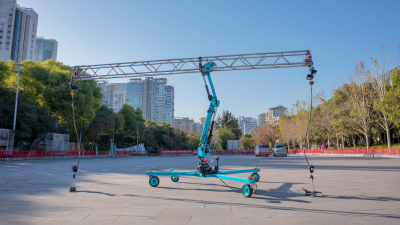
Mobile lifts play a crucial role in various industries, facilitating the movement of heavy objects and enhancing productivity. Understanding the different types of mobile lifts is essential. Common types include scissor lifts, boom lifts, and vertical lifts. Each type has unique advantages tailored to specific applications. For instance, scissor lifts are ideal for indoor projects, while boom lifts excel outdoors, providing extended reach.

When selecting a mobile lift, consider your operational needs. Industry reports indicate that choosing the right lift can increase efficiency by over 30%. Assess the weight capacity, working height, and terrain compatibility. For example, a scissor lift may not perform well on uneven surfaces.

Pay attention to safety features. A reliable mobile lift should include guardrails, non-slip surfaces, and automatic brakes. The absence of these can pose risks. Regular maintenance is also important. Neglected equipment can lead to accidents and higher repair costs. Investing in training for operators may significantly reduce workplace incidents.

Assessing Weight Capacity and Load Requirements

When selecting a mobile lift, weight capacity is a critical factor. Assess the heaviest item you will lift. Consider additional weight from accessories or equipment. This approach ensures safety and efficiency in operation.

Understanding your load requirements helps prevent accidents. Always opt for a lift that exceeds your maximum expected load. This adds a safety margin, especially in demanding environments. It’s wise to consult industry standards for weight capacities related to your specific tasks.

Consider the type of materials you will be lifting. Some lifts perform better with certain load types. For example, if you're dealing with bulky items, a wider platform lift may be suitable. Not all lifts are created equal; materials and construction impact performance and durability.

Keep in mind that overloading a lift can lead to malfunctions. Regularly inspecting weight limits and usage can be invaluable. Pay attention to user feedback and consult experts when unsure. Your lift should not only meet but exceed your expectations for safety and reliability.

Evaluating Lift Height and Reach Specifications

When selecting a mobile lift, evaluating lift height and reach specifications is crucial. Different tasks require different heights. For instance, maintenance work on high ceilings often calls for a lift that can extend up to 30 feet or more. According to industry reports, about 50% of lift users prioritize height above all else. Ensuring the lift can reach the necessary height prevents accidents and improves efficiency on the job.

It’s important to consider the lift’s reach capabilities. A lift that extends in multiple directions offers more versatility. Many modern lifts provide both vertical and horizontal reach. This dual capability allows operators to access hard-to-reach areas safely. Many professionals recommend that operators assess their specific site needs before purchase. This reflection can lead to better long-term investment decisions.

For a successful choice, reviewing weight capacities is equally essential. Lifts can support different payloads, and knowing your load is vital. An under-capacity lift can lead to equipment failure. Regular consultations with industry experts can help clarify your operational needs and ensure the right lift is selected for your tasks. Engaging professional advice increases the odds of a reliable selection that meets both current and future needs.

Considering Mobility and Portability Features

When choosing a mobile lift, consider mobility and portability features carefully. These aspects are crucial for effective usage. A well-designed mobile lift should be easy to maneuver. Look for models with wheels that lock and smooth-gliding casters. This will ensure stability during operation. The weight of the lift also plays a significant role. A lighter lift is easier to transport. However, make sure it still provides the necessary support for your tasks.

Portability goes beyond weight. Assess the lift's folded or compact dimensions. Can it fit in your vehicle or designated storage area? Look for lifts that can be easily disassembled if needed. This can save space and make transport simpler. Also, consider the power source. Battery-operated units offer flexibility, while corded models may limit movement.

Evaluate the terrain you’ll be using the lift on. Some lifts are better designed for uneven surfaces, while others perform well on flat ground. Think about your specific needs and environment. It’s essential to match the lift's features with your daily tasks. Not all lifts are created equal, and finding the right one might take time. Reflect on your choices to ensure the best fit for your circumstances.

Safety Standards and Compliance Factors

When selecting a mobile lift, safety standards are paramount. Various regulations govern the design and operation of lifts. Compliance ensures that operators and users remain safe during use. Meeting these standards can reduce risks of accidents and injuries significantly.

Assessing safety features is crucial. Look for elements like robust guardrails, secure locking mechanisms, and emergency stop buttons. Regular maintenance checks help identify wear and tear that could lead to failures. It’s easy to overlook these, but even minor issues can pose serious risks.

Understanding compliance factors can be complex. Different regions may enforce varying safety codes. Consulting professionals who specialize in lift regulations can help navigate these requirements. A lack of attention to compliance might lead to fines or, worse, accidents. Prioritizing safety and compliance is not just about following rules; it's about ensuring peace of mind for users and operators alike.

Mobile Lift Safety Standards Compliance

Budgeting: Cost vs. Value for Mobile Lifts

When budgeting for a mobile lift, understanding cost versus value is crucial. A recent industry report highlights that over 70% of companies prioritize equipment reliability over initial purchase price. Investing in a durable mobile lift often results in lower long-term costs. Regular maintenance can account for up to 30% of total lift expenses, underscoring the need for quality.

Price disparities among mobile lifts can be significant. Basic models may start at $1,000, while high-performance options can exceed $10,000. However, opting for a cheaper lift may lead to higher maintenance issues and decreased productivity. According to a report by the Occupational Safety and Health Administration, equipment failures can result in a 25% drop in efficiency on average. This statistic proves how investing in a reliable lift can enhance workplace safety and productivity.

It's essential to assess your specific needs. A lift that serves one industry might not suffice for another. Considering the unique weight capacities and mobility requirements is vital. While initial costs may seem daunting, the return on investment often speaks volumes. A mobile lift that fits your operational demands will save money and time in the long run. Prioritizing value over cost will ultimately lead to a more productive investment.

User Reviews and Recommendations for Reliable Options

User reviews play a crucial role in selecting a mobile lift. When browsing online platforms, it's helpful to look for detailed comments. Users often share their firsthand experiences. Consider how the lift performed in specific situations. For example, some may mention ease of use in tight spaces. Others may highlight durability over time. These insights can shape your decision.

Reliability is key when evaluating options. Users often talk about customer service experiences, which can indicate a brand’s commitment. Reviews on weight capacity are common. Buyers usually post about how much load their lift could handle efficiently. Also, pay attention to the potential drawbacks mentioned. A common critique could be the weight of the lift itself. A heavier model might be stable but challenging to maneuver.

Look for patterns in user feedback. Are many praising a lift's stability? Or are they pointing out similar issues? This collective wisdom often gives a clearer picture. Not every review will be perfect; some users might express disappointment. Learning from both positive and negative experiences helps fine-tune your choice.

How to Choose the Best Mobile Lift for Your Needs? - User Reviews and Recommendations for Reliable Options

Model Max Load Capacity (lbs) Platform Height (ft) Weight (lbs) User Rating (out of 5)
Lift A 500 10 150 4.5
Lift B 800 12 180 4.2
Lift C 600 15 120 4.8
Lift D 1000 14 200 4.6

The Ultimate Guide to Enhance Your Car's Performance: Discovering Portable Car Quick Lift Height Adaptors

When it comes to enhancing your car's performance, utilizing portable car quick lift height adaptors can make a significant difference, especially for large SUVs and pickup trucks. These adaptors enable drivers to elevate their vehicles easily, providing greater flexibility for maintenance or modifications. According to industry reports, vehicles with a higher ground clearance are becoming increasingly popular, with a notable rise in sales of larger SUVs and trucks. In fact, data shows that the market for these vehicles is expected to grow by 4.5% annually through 2025, highlighting a clear demand for solutions that cater to their unique needs.

The use of height adaptors not only improves accessibility for routine upkeep but also enhances overall vehicle performance. By allowing for more effective tire changes, brake inspections, and modifications, drivers can ensure their vehicles operate at peak efficiency. The adaptability of these devices means they can accommodate various vehicle heights, making them a versatile tool for any automotive enthusiast. Research indicates that vehicle maintenance is crucial for performance, with a well-maintained vehicle potentially improving fuel efficiency by up to 10%.

Furthermore, portable quick lift systems provide convenience and safety when working on elevated vehicles. This innovation addresses common challenges faced by owners of larger vehicles and allows for safer and quicker repair times. As the automotive industry evolves, investing in practical tools like height adaptors empowers drivers to enhance their vehicle's performance and overall maintenance experience while adapting to the growing trend of larger vehicles on the road.

FAQS

: What should I prioritize when selecting a mobile lift?

: Lift height is crucial. Many users prioritize height for tasks, especially maintenance in high areas.

Why is reach capability important in lifts?

A lift with multiple reach capabilities is more versatile. It safely accesses hard-to-reach areas efficiently.

How can weight capacity affect my lift choice?

Knowing the lift's weight capacity is essential. An under-capacity lift can fail during use, causing safety issues.

How should user reviews influence my decision?

User reviews provide real experiences. Look for comments on performance in specific situations for valuable insights.

What aspects of durability should I consider?

Consider how lifts hold up over time. Users often mention durability, affecting long-term value and reliability.

Are there common complaints about mobile lifts?

Yes, users sometimes mention the weight of the lift. A heavier model may be stable but hard to maneuver.

How can I ensure I select the right lift for my needs?

Regularly consult industry experts for advice. They can help clarify operational needs and guide reliable decisions.

Should I trust all user reviews?

Not all reviews will be positive. Some may express disappointment, which can teach you about potential drawbacks.

How can I assess the stability of a lift?

Look for patterns in feedback. Many users praising a lift's stability can signal a reliable option.

Is there a downside to focusing only on positives from reviews?

Yes, only focusing on positive reviews may lead to overlooking significant issues that could affect your experience.

Conclusion

Choosing the right mobile lift involves a careful consideration of several key factors to ensure it meets your specific needs. First, it's essential to understand the different types of mobile lifts available and their various applications. Assessing the weight capacity and load requirements is critical, as this determines if the lift can handle the jobs you plan to undertake. Additionally, evaluating the lift's height and reach specifications will help you determine if it can accommodate your workspace.

Mobility and portability features are also vital, particularly if the lift needs to be moved frequently. Ensuring that the mobile lift adheres to safety standards and compliance regulations will enhance workplace safety. Budgeting is another crucial aspect; weighing the cost against the value offered by the lift can lead to a better investment decision. Lastly, consulting user reviews and recommendations can provide insights into reliable options that have proven effective in real-world usage.

Sophia

Sophia

Sophia is a dedicated marketing professional at Yantai Tonghe Precision Industry Co., Ltd., where she specializes in the hydraulic control systems, cylinders, and car lifts sector. With an in-depth understanding of the company’s products and their applications, Sophia plays a pivotal role in......
Previous Top 10 Portable Car Lifts for Easy Vehicle Maintenance?