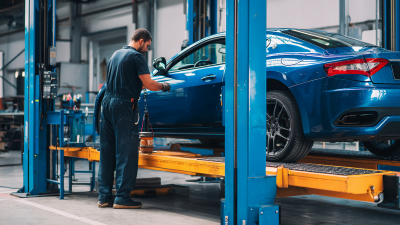
When you're thinking about getting a portable car lift, it's really important to take a good look at what you actually need. I mean, according to Alex Johnson—he’s a certified tech and knows his stuff from AutoLift Solutions—'Choosing the right portable lift can seriously boost your efficiency and safety when working on cars.' His words remind us just how critical it is to pick wisely.
These lifts come in all shapes and sizes, with different weight limits, designs, and features. Some are perfect for small, compact cars, while others can handle big trucks and SUVs. That variety can definitely get a bit overwhelming, right? So, it’s a smart move to match the lift to your garage space and the type of vehicles you usually deal with.
Getting a Car Portable Lift isn’t exactly a small investment, so take your time. Pay attention to things like stability, how easy it is to adjust, and how user-friendly it is overall. Honestly, the mechanics can seem a little intimidating at first, but making the wrong choice could lead to safety mishaps or just inefficient work. Think about your experience level and what you really need—this way, you’ll make a smarter, more confident choice.
Car portable lifts serve various functions, catering to different automotive needs. They are essential for home mechanics and professionals alike. Understanding the types of lifts can help in making an informed choice.
There are scissor lifts, which are compact and perfect for small spaces. These lifts provide stable support for lifting heavier cars. Then, you have portable two-post lifts, which offer flexibility and ease of use. They are ideal for those who need mobility while working on vehicles. Each type has unique features, but they share the common goal of simplifying auto repairs.
When choosing a lift, consider your specific requirements. Think about the types of vehicles you will work on. Some lifts may struggle with larger cars or certain weight limits. Research user experiences; not all lifts perform equally. Finding a reliable lift could be a trial-and-error process. Ultimately, the right choice elevates both the car and your skills.
When choosing a portable car lift, several factors come into play. Understanding your specific needs is crucial. Assess the weight capacity of the lift. It should support your vehicle's weight comfortably. Overloading it can lead to safety issues. Think about how often you'll use it. If you’re a DIY enthusiast, flexibility is vital. A model with adjustable height could suit various tasks.
Portability is another key consideration. Look for a lift that is lightweight and easy to maneuver. The right wheels can make transportation simpler. Also, examine the stability of the lift. Unstable lifts can be dangerous when working under a car. Choose a design that assures you of solid ground contact.
Finally, consider the ease of setup. Some models require more assembly than others. If you’re not handy, this could pose a problem. Read reviews to get insights from other users. Their feedback can reveal reliability and potential issues you might overlook. Take your time to find a lift that meets your needs. Rushing the decision can lead to regrets later on.
When selecting a portable car lift, weight capacity is a critical factor. Many lifts can handle between 6,000 to 7,000 pounds, but some models support over 10,000 pounds. Understanding the weight of your vehicle is essential. A compact car might only need a lower capacity lift, but larger vehicles will require more robust options. According to a report from the Automotive Lift Institute, nearly 30% of accidents stem from using lifts that are not rated for the vehicle's weight.
Safety features are equally important. A reliable lift should have universal safety standards. Look for features like safety locks, non-slip surfaces, and overload protection. The American National Standards Institute reports that car lifts certified by recognized bodies reduce workplace accidents by over 25%. Additionally, consider models with hydraulic systems, as these tend to provide smoother operation and stability while lifting.
Though many portable lifts offer excellent features, owners often overlook maintenance practices. Regular checks of hydraulic fluid levels and inspection of mechanical parts are necessary. Surprisingly, about 15% of lift operators report that maintenance issues led to unexpected failures. Ensuring proper care of your portable lift can enhance safety and longevity, making it a worthwhile investment.
When considering a car portable lift, dimensions and portability are crucial. A precise evaluation of your workspace is essential. Measure the height and width of your garage or driveway. This will help you select a lift that fits comfortably. Many users overlook this step, resulting in a lift that doesn't meet their needs.
Portability is another key factor. Some lifts are lightweight and easy to move, while others can be bulky. Assess how often you plan to relocate your lift. If you only need it occasionally, a smaller, more portable option might be sufficient. However, a larger lift may be necessary for frequent use. Remember that some models require extra effort to reposition. This could lead to frustration, especially if you have limited time or space.
Consider the weight capacity of the lift as well. Ensure it can handle your vehicle’s weight. Overestimating your needs here could lead to mishaps. Addressing these details now will save you future headaches. Investing time in understanding your space and lift options ensures you make an informed decision. This way, you enhance your efficiency without facing unexpected challenges.
When choosing between electric and manual car portable lifts, understanding their features is essential. Electric lifts are user-friendly and require less physical effort. They operate at the push of a button. This convenience can save time during busy repairs. However, they depend on battery life or electricity, which could be a drawback. If the power source fails, your work may stall unexpectedly.
On the other hand, manual lifts require more physical effort. They are often lighter and easier to store. For some users, this means better portability. Yet, the physical demand can be tiring during long tasks. You might find that lifting a vehicle manually is challenging over time. It’s crucial to assess your own strength and the tasks you’ll undertake.
Consider your workspace too. Electric lifts often need ample space for operation and charging. In tight garages or small shops, manual lifts can fit more easily. Ultimately, there's no one-size-fits-all solution. Balancing convenience against physical effort and practicality will guide your decision.
When considering the purchase of a portable car lift, assessing your budget is crucial. Start by determining how much you are willing to spend. Prices can vary widely. Some models are inexpensive but might lack essential features. Others are pricier but often come with extended warranties and advanced functionalities. Balancing cost and quality is vital.
Warranties can be a crucial aspect of your investment. A longer warranty often indicates confidence in the product's durability. Look for lifts with at least a one-year warranty. If a company stands behind its product, it shows reliability. Features should also be a priority. Adjustable height, weight capacity, and safety features are essential. Analyze what you truly need versus what is just nice to have. This will help avoid overspending.
Reflecting on your specific needs can enhance your experience. Consider if you'll use it occasionally or regularly. Daily usage requires a sturdier lift. If your needs are simple, a basic model may suffice. Pay attention to user reviews. Feedback from others can guide your decision. It’s essential to create a balance between your budget, needed features, and product reliability.
Finding the right portable car lift can be daunting. User reviews can guide your decision. Many users appreciate ease of use and stability. Reviews often highlight how important these factors are for safety and efficiency. A stable lift ensures your vehicle is secure during repairs. Feedback on lifting capacity matters too. Some users mention struggling with lifts that can't handle heavier cars.
A common theme is the importance of customer support. Many users recommend brands that offer reliable service after purchase. If problems arise, prompt support can save you frustration. Additionally, some users express concerns about portability. The weight and size of the lift can affect mobility. Over time, some users realized they overlooked this factor.
Many users also share their experiences with assembly. Some lifts are easy to set up, while others are not. User-friendly designs are often praised, saving time and effort. Reading reviews can help identify these differences. However, not all reviews are perfect. Some may lack detail. It's wise to consider multiple perspectives before making a choice.
| Lift Type | Maximum Weight Capacity (lbs) | Lifting Height (inches) | Weight (lbs) | Features | User Rating (out of 5) |
|---|---|---|---|---|---|
| Hydraulic Lift | 6000 | 60 | 300 | Portable, Easy Setup, Durable | 4.8 |
| Electric Lift | 5000 | 50 | 250 | Automatic Controls, Compact Design | 4.5 |
| Pneumatic Lift | 5500 | 55 | 280 | Fast Operation, Lightweight | 4.7 |
| Scissor Lift | 4000 | 48 | 320 | Stability, Multi-angle Adjustment | 4.6 |
In today's fast-paced world, having access to efficient and reliable roadside assistance tools is crucial for every vehicle owner. The evolution of portable car lifting solutions has significantly changed the way we assist vehicles in distress. Among these advancements is a new generation of lightweight and adaptive car quick lifts that promise to enhance your roadside assistance capabilities. With an emphasis on ease of use and portability, these devices are set to transform emergency vehicle support.
The LUXMAIN DC series Quick Lift exemplifies this innovation. This compact system is cleverly designed with two split lifting frames and a power unit, allowing for easy transport and storage. Weighing less than traditional car lifts, each lifting frame can be maneuvered by a single individual thanks to its integrated tow wheels and universal wheel. According to industry reports, the demand for portable vehicle lifting devices has surged, with a projected annual growth rate of 5.8% from 2021 to 2026, underscoring the importance of such tools for modern drivers.
Incorporating these portable quick lifts into your emergency toolkit not only enhances your capability to assist others but also boosts your own safety and preparedness. As roadside emergencies become increasingly common, the ability to respond swiftly and effectively can make all the difference. Equip yourself with the right tools to revolutionize your roadside assistance experience, ensuring that you are always ready to tackle any situation that may arise on the road.
: Electric lifts are user-friendly and require less physical effort, operating at the push of a button. Manual lifts require more effort but are lighter and often more portable.
Determine your spending limit first. Prices vary widely, with cheaper models often lacking essential features. Balance cost and quality for the best choice.
A longer warranty often indicates product durability. A company that stands behind its product shows reliability, which is crucial for your investment.
User reviews provide insights on ease of use, stability, and customer support. Feedback on lifting capacity can also highlight important features.
Look for adjustable height, weight capacity, and safety features. Assess what you truly need versus extras to avoid overspending.
Electric lifts need more space for operation and charging. Manual lifts fit more easily in tight spaces. Consider your workspace carefully.
Some users struggle with heavier lifts and report assembly difficulties. These factors can affect the overall experience and need reflection before purchase.
Pay attention to user reviews and feedback. Evaluate comments on stability and customer support. These can indicate the product's performance and reliability.
The weight and size affect portability. Some users realized they overlooked this when choosing. Consider how often you will need to move the lift.
If you use it occasionally, a basic model may suffice. Daily usage requires sturdier options. Reflect on your actual needs to make a sound choice.
When choosing the best car portable lift for your needs, it's essential to understand the various types and functions available. Factors such as weight capacity, safety features, and the dimensions of your workspace play a critical role in selecting the right lift. Additionally, you should consider whether an electric or manual lift suits your requirements better, as each has its advantages depending on your intended use.
Budget constraints are also important; evaluating costs, potential warranties, and included features can help you find a lift that offers value for your investment. Finally, user reviews and recommendations can provide insight into the performance and reliability of different car portable lifts, guiding you toward a decision that meets your specific requirements.