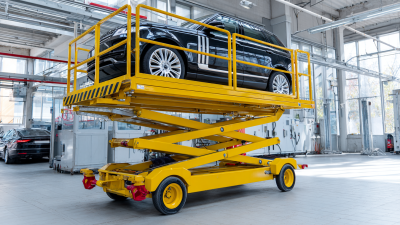
These days, more and more folks—whether professional mechanics or DIY car fans—are turning to Portable Scissor Car Lifts. They’re super handy because they make lifting your vehicle easier and safer, which is a big win when you're doing maintenance or repairs. But, let’s be honest, just like with any tool, using them safely is key to avoiding accidents.
To really get the most out of your portable lift, it’s a good idea to follow some simple tips. Knowing how it works, sticking within the weight limits, and following the right operating steps can make a huge difference. In this article, I’ll share ten solid tips to help you use your Portable Scissor Car Lift safely and smoothly. Trust me, this way you’ll have a better, more efficient experience—and keep your car projects in one piece!
Portable scissor car lifts are invaluable tools in automotive repair and maintenance, offering versatility and convenience. At their core, these lifts operate using a scissor mechanism, allowing for smooth vertical movement to raise vehicles safely off the ground. When understanding the basics, it's crucial to know how they work; hydraulic systems are often utilized to elevate the lift, providing controlled and stable raising and lowering of the car.
Safety is a primary consideration when operating a portable scissor car lift. Proper positioning is essential, as the lift should be placed on a flat, stable surface to prevent tipping or uneven elevation. Regular maintenance checks, including inspecting hydraulic fluid levels and ensuring that all moving parts are in optimal condition, enhance both safety and functionality. Additionally, understanding the weight capacity of the lift is vital; exceeding this limit can lead to dangerous situations. Familiarizing oneself with the user manual and following all operational guidelines will help ensure a safe working environment when using these lifts in your automotive tasks.
When selecting a portable scissor car lift, it's crucial to prioritize safety features that ensure both user and vehicle protection. One of the key attributes to look for is a robust safety locking mechanism. This feature secures the lift in position while in use, preventing unexpected drops that could lead to serious injuries or damage. Additionally, be sure to check for overload protection sensors that automatically halt the lift's operation if it exceeds the designated weight limit. This helps prevent mechanical failure and increases overall safety during vehicle maintenance.
Another important safety attribute is the lift's stability measures. Look for models equipped with wide base frames or adjustable leveling legs that enhance stability on uneven surfaces. Anti-slip surfaces on the lift platform further reduce the risk of vehicles slipping during maintenance. Furthermore, consider lifts that come with emergency stop buttons, ensuring that operators can quickly halt the lift in case of an emergency. These safety features not only maximize effectiveness but also contribute to a safer working environment, reassuring operators and enhancing confidence in using the equipment.
| Tip Number | Safety Tips | Key Safety Features | Effectiveness Tips |
|---|---|---|---|
| 1 | Always check for stability before using. | Non-slip platform surface. | Use for specific weight limits. |
| 2 | Ensure all safety features are functional. | Emergency stop buttons. | Keep the lift level while in use. |
| 3 | Read the user manual thoroughly. | Automatic overload protection. | Regularly maintain the lift. |
| 4 | Use appropriate personal protective equipment (PPE). | Guard rails for added safety. | Limit distractions during operation. |
| 5 | Never exceed weight limits. | Stabilizing features. | Plan your work tasks efficiently. |
| 6 | Clear the lift’s area of any obstacles. | Safety certification labels. | Use appropriate attachments if needed. |
| 7 | Always use the lift on stable surfaces. | Visual indicators for operation. | Communicate with team members effectively. |
| 8 | Don’t make sudden movements while elevated. | Safety harness points. | Limit the number of workers on the lift. |
| 9 | Be aware of your surroundings, including overhead hazards. | Alarm systems for emergencies. | Perform regular inspections of the equipment. |
| 10 | Properly train all operators. | LED lights for visibility. | Evaluate the work area for efficiency. |
When utilizing a portable scissor car lift, ensuring proper setup and positioning is paramount for safety and effectiveness. Start by selecting a flat, stable surface that can support both the weight of the lift and the vehicle. Uneven or inclined ground can lead to instability, which may result in accidents. To further enhance stability, consider using wheel chocks to prevent any unwanted movement of the lift during operation. Always check the lift's level before raising the vehicle, making necessary adjustments to achieve the optimal balance.
In addition to surface placement, attention to the lift's positioning is crucial. Make sure to position the lift under the vehicle’s designated lift points to distribute weight evenly and avoid structural damage. Keep clear space around the lift to allow ample room for movement and avoid any potential hazards. If necessary, use safety locks or pins to secure the lift in place once it is raised, adding an extra layer of safety. By prioritizing these setup and positioning considerations, operators can significantly reduce the risk of accidents and enhance the overall lifting experience.
When operating a portable scissor car lift, ensuring the safety of personnel is paramount. Wearing appropriate Personal Protective Equipment (PPE) is essential to mitigate potential hazards associated with elevation work. Operators should prioritize hard hats to protect against falling objects and ensure visibility is maintained through the use of high-visibility vests. This is especially important in busy work environments where movement and potential hazards are prevalent.
Additionally, operators should don non-slip safety footwear to prevent slips, trips, and falls while working on the lift and around the vehicle. Safety goggles are also crucial, as they shield the eyes from debris and other potential dangers encountered during operations. Furthermore, gloves designed for grip can enhance dexterity and protect hands from sharp edges and other risks. By equipping themselves with the right PPE, operators not only safeguard their well-being but also enhance overall efficiency and productivity in the workplace.
Operating a portable scissor car lift requires a thorough understanding of safety protocols to ensure the well-being of both the operator and surrounding personnel.
Before beginning any task, it's vital to inspect the lift for any visible damage or malfunctioning parts.
Check the hydraulic system, make sure that the safety latches are functioning correctly, and examine the wheels for mobility.
Following the pre-operation inspection, familiarize yourself with the control panel, ensuring that you know how to operate both the lift and its safety features.
When using the scissor lift, maintaining a stable work environment is crucial.
Set the lift on a flat, stable surface, and ensure that it is not positioned near potential hazards such as overhead power lines or unlevel ground.
Always secure any tools or materials to prevent them from falling while you're elevated.
Moreover, it’s important to abide by the manufacturer's load capacity to prevent tipping or collapse.
Operators should also wear appropriate safety gear, including helmets and harnesses, to mitigate the risk of injury from falls.
By adhering to these best practices, you can operate a portable scissor car lift safely and effectively.
Routine maintenance is crucial for ensuring the safe performance of a portable scissor car lift. To start, operators should regularly inspect the lift for any signs of wear or damage. This includes checking the hydraulic hoses, cables, and safety mechanisms, as any faulty component could lead to serious accidents when in use. Additionally, ensure that all moving parts are properly lubricated to maintain functionality and prevent excessive wear.
Another essential aspect of routine maintenance is to keep the lifting platform clean and free of debris. Dirt and grime can hinder the performance of the lift and create hazards for users. Regularly cleaning the lift not only enhances safety but also extends its lifespan. Moreover, operators should verify that safety decals and labels are visible and intact, reinforcing the importance of safety protocols to all users. By adhering to these maintenance practices consistently, the risk of accidents can be significantly reduced, ensuring that the portable scissor car lift operates effectively and safely.
When using a portable scissor car lift, safety should always be a priority, particularly in emergency situations. It is crucial to establish clear emergency procedures before beginning any work. This includes knowing the location of emergency stop buttons and having a first-aid kit readily accessible. Ensure that all operators are trained on how to use the lift safely and are familiar with the emergency protocols, including how to respond to power failures or mechanical malfunctions.
In addition to having emergency protocols in place, regular maintenance checks are essential for safe operation. Inspect the lift for any visible damage or wear before each use. This ensures that all components function properly and can help prevent unexpected breakdowns. Operators should also follow essential safety tips, which include always keeping the work area clear and ensuring that the lift is stable on a flat surface. If the lift becomes unsturdy, never attempt to operate it without addressing the underlying issue first.
Finally, communication is key in any operation involving a scissor lift. Ensure that all team members understand their roles and the signals that will be used when raising or lowering the load. In the event of an emergency, a clear line of communication can make a significant difference in complying with safety protocols and ensuring everyone’s well-being. Having a designated spotter can help monitor the surroundings and provide immediate assistance if needed. Adhering to these safety protocols not only protects the personnel involved but also enhances the efficiency of the operation.
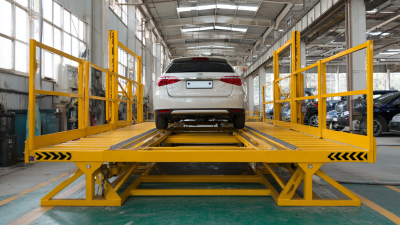
In the fast-paced environment of car wash operations, enhancing efficiency is crucial for delivering quick maintenance solutions. The introduction of single post inground lifts has revolutionized the way car washes manage vehicle cleaning and upkeep. These advanced lifts not only provide a stable support structure but also significantly reduce the time required to service a vehicle. By utilizing a bridge-type supporting arm, the lift raises the vehicle's skirt, allowing for comprehensive access to the chassis and undercarriage.
The design features a 520mm wide supporting arm, which facilitates effortless vehicle placement onto the lift. This thoughtful engineering ensures that even larger vehicles can be easily accommodated. Additionally, the supporting arm is designed with an inlaid grille that enhances permeability, ensuring that water and cleaning agents can thoroughly penetrate and clean the most difficult areas of the vehicle's chassis. As a result, car wash operations can achieve a higher standard of cleanliness while improving operational efficiency, ultimately leading to increased customer satisfaction and repeat business.
By integrating such innovative solutions into their workflow, car wash businesses can streamline their processes, reduce labor costs, and provide quick maintenance solutions that meet the high expectations of today's drivers. The impact of single post inground lifts is evident, as they not only enhance the effectiveness of car wash operations but also contribute to the overall longevity of the vehicles serviced.
: Operators should wear hard hats to protect against falling objects, high-visibility vests for visibility in busy environments, non-slip safety footwear to prevent slips and falls, safety goggles to shield the eyes from debris, and gloves designed for grip to protect their hands.
Wearing appropriate PPE is essential to mitigate potential hazards associated with elevation work, ensuring the safety and well-being of operators as well as enhancing efficiency and productivity in the workplace.
Operators should regularly inspect the lift for signs of wear or damage, including checking hydraulic hoses, cables, and safety mechanisms, ensuring that all moving parts are properly lubricated, and keeping the lifting platform clean and free of debris.
To maintain performance and safety, operators should conduct routine inspections, lubricate moving parts, clean the lift regularly, and verify that safety decals and labels are visible and intact.
Failure to perform routine maintenance can lead to faulty components, which may result in serious accidents, hindered performance, and increased hazards for users during operations.
Keeping the lifting platform clean and free of debris enhances safety, improves performance, and can extend the lifespan of the equipment.
Non-slip safety footwear helps prevent slips, trips, and falls, which are common risks when working on the lift and around the vehicle.
Ensuring that safety decals and labels are visible and intact reinforces safety protocols and communicates essential safety information to all users.
Gloves should be designed for grip to enhance dexterity and provide protection from sharp edges and other potential risks encountered during operations.
Ignoring signs of wear or damage can compromise the safety mechanisms and overall functionality of the lift, increasing the likelihood of accidents and failures during use.
The article "10 Essential Tips for Using a Portable Scissor Car Lift Safely and Effectively" provides crucial insights into the safe operation of portable scissor car lifts. It begins with a foundational understanding of how these lifts work and outlines key safety features that operators should consider, ensuring that they select equipment that prioritizes safety. Proper setup and positioning for stability are emphasized, along with the necessity of using essential personal protective equipment (PPE) to safeguard operators during lifting operations.
Additionally, the article details best practices for the safe operation of a portable scissor car lift, highlighting the importance of routine maintenance to prevent accidents and ensure optimal performance. Finally, it covers emergency procedures and safety protocols that should be followed to manage any unforeseen situations effectively. This comprehensive guide serves as an essential resource for anyone looking to enhance their knowledge and practice of using portable scissor car lifts.