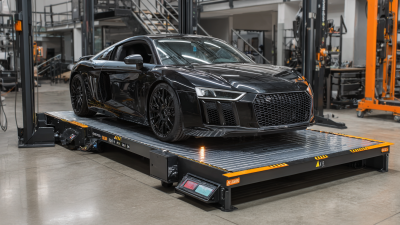
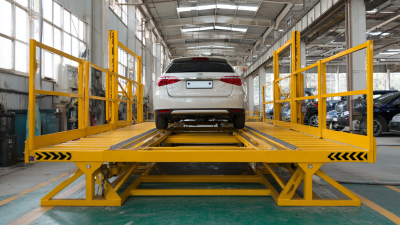
When it comes to taking care of your vehicle or dealing with those unexpected breakdowns, having the right tools can really make a difference. A Portable Car Jack Lift, for example, is such a handy device—it makes lifting your car much easier when you need to change a tire or do some quick repairs. Plus, it’s super convenient because it’s designed to be lightweight and easy to store, unlike those bulky traditional jacks. It’s perfect for folks who want something portable, whether you’re caught off guard on the road or just appreciate having a compact tool in your trunk.
Picking out the best Portable Car Jack Lift isn’t just about grabbing the first one you see. You'll want to think about things like how much weight it can handle, how high it can lift, and how simple it is to use. Getting a grip on these details means you’ll end up with a model that actually fits your needs—whether you’re just a casual driver or pretty into cars. In this guide, I’ll walk you through the key features to look for, plus some safety tips to keep in mind. The goal? To help you make a smart choice and feel confident whenever you need to handle roadside emergencies. So, equip yourself with the right info and be ready for whatever the road throws at you!

What is a Portable Car Jack Lift?
A portable car jack lift is an essential tool designed to elevate vehicles for maintenance and repairs, especially in situations where a fixed jack is impractical. These jacks are typically compact and lightweight, making them easy to transport in the trunk of a car or store in a garage. The most common types of portable car jacks include hydraulic and electric jacks, which can lift vehicles quickly and efficiently, often reaching heights sufficient for tire changes and other common tasks. According to a recent market analysis, the global automotive jack market is projected to grow significantly, driven by the increasing number of vehicles on the road, expected to reach a value of approximately $800 million by 2026.
When selecting the best portable car jack lift, it is crucial to consider factors such as weight capacity, lifting height, and ease of use. Most portable jacks can lift vehicles weighing between 1.5 to 3 tons, which is sufficient for most passenger cars and small SUVs. Additionally, professionals recommend looking for jacks that lift to at least 15 inches, accommodating various vehicles. Reports indicate that user-friendly features, such as built-in safety locks and automatic shut-off mechanisms, have become increasingly popular, enhancing both functionality and safety during use. Therefore, understanding the specifications and capabilities of a portable car jack can significantly impact its effectiveness and user satisfaction.
The Different Types of Portable Car Jacks
When it comes to portable car jacks, understanding the different types available is crucial for making the right choice for your vehicle maintenance and emergency needs. There are mainly three types of portable car jacks: hydraulic jacks, scissor jacks, and electric jacks. Each type has its unique mechanism and suitability for various scenarios.
Hydraulic jacks operate using hydraulic fluid to lift heavy vehicles with minimal effort. They are renowned for their high lifting capacity, with many models capable of raising over 3 tons. According to the Automotive Lift Institute, hydraulic jacks are the most commonly used type among professionals due to their efficiency and stability.
On the other hand, scissor jacks are manually operated and typically lighter and more compact, making them ideal for emergency use in roadside situations. Their lifting capacity generally ranges from 1.5 tons to 2 tons, which is sufficient for most passenger vehicles.
Electric jacks are an innovative alternative, offering convenience at the push of a button. While they usually have a lifting capacity similar to hydraulic jacks, their primary advantage lies in the ease of use, particularly for individuals who may struggle with manual jacking methods. As reported by the National Safety Council, electric jacks also tend to have built-in safety features that can prevent accidents, making them a popular choice for safety-conscious drivers. Each type of portable car jack offers unique benefits, and selecting the best one will depend on personal needs, vehicle weight, and preferred ease of use.
Key Features to Consider When Choosing a Car Jack
When choosing a portable car jack lift, several key features should be considered to ensure safety and efficiency. Firstly, the weight capacity of the jack is crucial. According to industry reports, most portable jacks can safely lift vehicles weighing between 2 tons (4,000 lbs) to 3 tons (6,000 lbs), which covers the majority of passenger vehicles. Ensure that the jack you select exceeds the weight of your vehicle for optimal safety.
Additionally, look for jacks with a wide lifting range. A product with a low minimum height and a substantial maximum lift will accommodate various vehicles, making it versatile for different situations.
Another important feature is the construction material of the jack. Steel jacks are generally more durable but can be heavier, whereas aluminum alternatives are lighter and more portable but may not offer the same strength. Data indicates that jacks made with high-quality aluminum or rugged steel provide a better balance of portability and performance, often recommended for road usage.
Furthermore, safety features like rubber padding for stability and built-in overload protection can prevent accidents, making these jacks a smart choice. Overall, understanding these key features will help you select the best portable car jack lift for your needs.
How to Determine the Right Weight Capacity for Your Needs
When selecting a portable car jack lift, determining the right weight capacity is crucial for ensuring your safety and the efficiency of the lift. The weight capacity you need depends primarily on the types of vehicles you will be lifting. For standard cars, a jack with a capacity of around 2 to 3 tons is generally sufficient. However, if you own a larger vehicle, such as an SUV or a truck, opting for a jack with a higher capacity of at least 3 to 5 tons is advisable to accommodate the extra weight.
To assess your specific needs, it’s essential to know the gross vehicle weight rating (GVWR) of your car, which can usually be found in the owner's manual or on the manufacturer's label inside the driver's door. It’s wise to choose a portable jack that exceeds your vehicle's weight capacity by at least one ton to account for the dynamic forces during lifting and to provide a safety buffer. Additionally, consider the frequency of use and portability; if you plan to use it regularly or transport it frequently, a lightweight yet sturdy option may be more practical. By focusing on these factors, you can select a reliable portable car jack that meets your lifting needs safely and effectively.
Safety Tips for Using a Portable Car Jack Lift
When using a portable car jack lift, prioritizing safety is essential to prevent accidents and injuries. First and foremost, always ensure that the vehicle is parked on a flat, stable surface before attempting to lift it. This helps in preventing the car from rolling or shifting while elevated. Engage the parking brake and, if safe to do so, place wheel chocks behind the tires that will remain on the ground. This additional step secures the vehicle and minimizes the risk during the lifting process.
Before operating the jack, thoroughly inspect it for any signs of damage or wear, such as leaks or cracks. Ensure that all moving parts function smoothly, as using a faulty jack can lead to catastrophic failures. Additionally, always read and adhere to the manufacturer's guidelines regarding weight limits and operational instructions. When lifting the vehicle, never place any part of your body underneath it while it’s elevated. Utilize jack stands for added stability and security once the car is lifted, as they provide extra support and reduce the risk of collapse. By following these safety precautions, users can effectively safeguard themselves while performing necessary maintenance tasks on their vehicles.
Top Brands and Models of Portable Car Jacks
When selecting a portable car jack lift, understanding the leading brands and models in the market is essential for making an informed decision. According to a recent industry report by Statista, the global automotive tools market is projected to reach $20 billion by 2025, driven by innovation and consumer demand for efficient and reliable tools. The segment of portable car jacks has seen significant advancements, with manufacturers focusing on enhanced lifting capacities and reduced weight for easier transportation.
Notable brands in the portable car jack sector often feature hydraulic and electric models, catering to varying user preferences and vehicle requirements. Professional reviews consistently highlight that the best models typically offer a lifting capacity of at least 2 tons, ensuring they can accommodate most passenger vehicles and light trucks. Moreover, safety features such as automatic overload protection and anti-slip bases are crucial for consumer trust, as they enhance user safety while operating the jack.
A market analysis by IBISWorld reveals that consumer preference is shifting towards models that combine efficiency with compact designs, making them ideal for roadside emergencies or maintenance tasks at home.
Maintenance Tips for Prolonging the Life of Your Car Jack
Maintaining a portable car jack lift is crucial for ensuring its longevity and reliability. According to industry reports, regular maintenance can extend the lifespan of hydraulic jacks by up to 40%. One of the primary maintenance tasks is to keep the jack clean and free of debris. Dirt and grime can penetrate the hydraulic seals and cause leaks, ultimately leading to failure. A simple routine of wiping down the jack after each use and storing it in a dry environment can work wonders in preventing unnecessary wear and tear.
In addition to cleanliness, checking the hydraulic fluid levels is essential for optimal performance. Experts recommend inspecting the fluid levels at least once every three months, especially for those who use their jacks regularly. Low fluid levels can result in reduced lifting capacity and the risk of malfunction. Furthermore, it’s beneficial to conduct a visual inspection of the jack for any cracks, rust, or other signs of damage, as addressing these issues early can prevent costly repairs or replacements down the line. Following these maintenance tips can effectively keep your portable car jack lift in top condition, ensuring it performs reliably when you need it most.
What is a Portable Car Jack Lift and How to Choose the Best One - Maintenance Tips for Prolonging the Life of Your Car Jack
| Feature |
Details |
| Type |
Hydraulic, Electric, Manual |
| Weight Capacity |
Up to 3 tons |
| Lift Height Range |
3 - 15 inches |
| Material |
Steel, Aluminum |
| Dimensions |
20 x 8 x 6 inches |
| Portability |
Compact Design with Carry Case |
| Maintenance Tips |
Regularly lubricate, check for rust, store properly |
Efficient Car Care: The Single Post Inground Lift L2800(F) for Car Wash and Quick Maintenance Solutions
The Single Post Inground Lift L2800(F) represents an innovative solution for efficient car care, particularly designed to streamline car wash and quick maintenance operations. Featuring a bridge-type supporting arm, this lift effectively elevates the skirt of the vehicle, allowing for effortless access to the undercarriage. This is especially beneficial during car wash sessions, where ensuring thorough cleanliness is essential. The thoughtfully designed width of the supporting arm, measuring 520mm, ensures that vehicles can be easily positioned on the equipment without complication.
Additionally, the supporting arm is equipped with a specialized grille that enhances its functionality. This grille offers excellent permeability, facilitating the complete cleaning of the vehicle’s chassis. By allowing water and cleaning agents to flow through effectively, the design helps remove dirt and grime that often accumulate in hard-to-reach areas. As a result, the Single Post Inground Lift L2800(F) not only aids in quick maintenance but also enhances the overall cleanliness of the vehicle, making it an indispensable tool for any car care operation.
FAQS
: The main types of portable car jacks include hydraulic jacks, scissor jacks, and electric jacks. Each has its own mechanism and suitability for various scenarios.
Hydraulic jacks can lift heavy vehicles with capacities typically exceeding 3 tons, making them popular among professionals for their efficiency and stability.
Scissor jacks are manually operated, lighter, and more compact, with lifting capacities ranging from 1.5 tons to 2 tons, making them ideal for emergency roadside use.
Electric jacks provide convenience with a push-button operation and often have similar lifting capacities to hydraulic jacks. They typically include safety features to prevent accidents.
Always park on a flat surface, engage the parking brake, and use wheel chocks. Inspect the jack for damage, adhere to weight limits, and avoid placing your body under the vehicle when elevated.
Using jack stands provides extra stability and security, reducing the risk of the vehicle collapsing while you work underneath it.
Look for features such as a lifting capacity of at least 2 tons, automatic overload protection, and anti-slip bases to ensure safety and reliability during operation.
The market has seen advancements in technology and design, with a focus on enhanced lifting capacities and compact designs suitable for transportation and emergency use.
Yes, the choice of car jack should consider the vehicle's weight and size, as well as personal preferences for ease of use and operational method (manual vs. electric).
If you find any signs of damage or wear, such as leaks or cracks, do not use the jack. It's important to replace or repair any faulty equipment before use.
Conclusion
A Portable Car Jack Lift is an essential tool for car owners, allowing for easy lifting and changing of tires, among other maintenance tasks. There are various types of portable car jacks, including hydraulic, scissor, and bottle jacks, each with unique features that cater to different needs. When selecting the best portable car jack lift, it's crucial to consider key features such as weight capacity, lifting height, and portability.
Understanding the right weight capacity for your specific vehicle is vital to ensure safety and efficiency. Additionally, adhering to safety tips when using a portable car jack lift can prevent accidents. To maximize the lifespan of your car jack, regular maintenance and proper handling are necessary. Overall, investing in a reliable portable car jack lift is an important consideration for safe and effective vehicle upkeep.