
In the fast-changing world of material handling and logistics, the Quick Lift Ramp has really become a game-changer for businesses looking to boost both efficiency and flexibility. Industry expert John Adams, who’s pretty much an authority when it comes to warehouse solutions, says, “The Quick Lift Ramp doesn’t just boost productivity—it also helps keep workers safe as they move between different heights.” It’s a clever little platform that makes shifting goods between levels smooth and easy, which is why it’s a hit with warehouses, loading docks, and distribution centers alike.
But the benefits of the Quick Lift Ramp aren’t just about its basic functionality. It’s designed to be tough, durable, and super user-friendly. Whether you’re loading freight into trucks or giving pallet jack operators quick access, this ramp pretty much checks all the boxes for a variety of operational needs. Its adaptable nature means less downtime and smoother workflows, which, of course, helps boost the bottom line. If you’re serious about making your logistics run more smoothly and keeping folks safe, really understanding how this ramp works and what it offers is a smart move.

What is a Quick Lift Ramp? An Overview of Its Design and Functionality

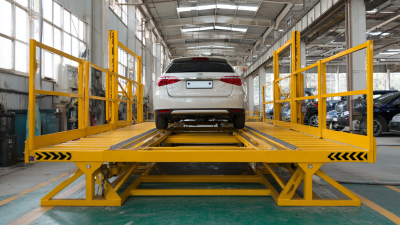
A Quick Lift Ramp is an innovative solution designed to facilitate the seamless loading and unloading of goods between different heights. Constructed with robust materials to support varying loads, these ramps feature a streamlined design that prioritizes safety and efficiency. Typically used in warehouses and logistics environments, they allow forklifts and other equipment to navigate from ground level to loading docks with ease. According to industry reports, the adoption of quick lift ramps can reduce loading times by up to 50%, significantly improving overall operational efficiency.
One of the standout features of a Quick Lift Ramp is its hydraulic lift mechanism, which enables smooth adjustments to different heights. This adaptability ensures that businesses can accommodate a range of vehicles and cargo types, optimizing the use of space and resources. Furthermore, their non-slip surfaces and sturdy handrails enhance safety for operators, reducing the risk of accidents during the loading process. Statistics indicate that workplaces utilizing such equipment experience a 30% decrease in workplace injuries related to material handling.
**Tips:** When considering the implementation of a Quick Lift Ramp, ensure that all personnel are trained on its operation to maximize safety and efficiency. Regular maintenance is essential to ensure the hydraulic system functions optimally, thus prolonging the lifespan of the ramp and preventing unexpected downtimes. Additionally, assess the specific weight capacity required for your operations to choose a ramp that meets your needs effectively.

Maximizing Efficiency: A Data-Driven Analysis of the Single Post Inground Lift L2800(F) for Car Wash and Quick Maintenance Applications
The pursuit of efficiency in car wash and quick maintenance applications has led to innovative solutions, such as the Single Post Inground Lift L2800(F). This equipment boasts a bridge-type supporting arm designed to elevate the vehicle's skirt, facilitating thorough access for cleaning and maintenance. The supporting arm, with a width of 520mm, is meticulously engineered to ensure ease of vehicle positioning, streamlining the workflow in busy service environments.
In maintaining high standards of cleanliness, the supporting arm is not only functional but also thoughtfully designed. It features an inlaid grille that promotes excellent permeability, allowing for comprehensive cleaning of the vehicle chassis. This innovation reduces the risk of dirt accumulation and enhances the overall maintenance process. By leveraging such data-driven design elements, operators can maximize efficiency, ensuring that vehicles receive the care they need in the least amount of time possible.
Such a combination of robust design and practical functionality reflects the growing trend toward data-informed decision-making in automotive service settings. By embracing advanced equipment like the Single Post Inground Lift L2800(F), businesses can ensure optimal performance, improve service quality, and cater to the increasing demands of their clientele efficiently.

FAQS
: Quick Lift Ramps are typically made from durable materials such as aluminum and steel, which provide strength and lightweight characteristics.
Aluminum ramps are resistant to rust and corrosion, making them suitable for both indoor and outdoor use.
Many Quick Lift Ramps feature a non-slip surface treatment and include side rails or curbs, which improve traction and secure loads, reducing the risk of accidents.
Quick Lift Ramps are easier to use and allow for rapid deployment, whereas traditional methods often involve cumbersome forklifts that can be inefficient and risky.
Quick Lift Ramps often include adjustable and collapsible components, making them versatile for a wide range of load types and sizes, in contrast to the rigid nature of many traditional ramps.
Businesses may improve operational efficiency by up to 20% and see reduced product damage during handling events by as much as 30%, ultimately saving costs.
By reducing physical strain on workers during loading and unloading, Quick Lift Ramps can decrease the likelihood of workplace injuries.
Faster loading and unloading times with Quick Lift Ramps can increase output without raising labor costs, and reduced product damage can lower expenses associated with repairs and replacements.
Yes, due to their robust design and material choices, Quick Lift Ramps can be effectively used in diverse environments, enhancing productivity in logistics and transportation.
Ergonomic design principles in Quick Lift Ramps aim to improve ease of use and safety, facilitating better handling and reducing accidents during operations.
Conclusion
A Quick Lift Ramp is a versatile and efficient solution designed to enhance loading and unloading processes in various industries. Its innovative design offers significant benefits, including improved productivity, reduced manual handling, and increased safety. Quick Lift Ramps are constructed from durable materials that ensure longevity and reliability, making them ideal for demanding environments such as construction sites and warehouses.
In addition to their functional advantages, Quick Lift Ramps are cost-effective, providing substantial returns on investment through enhanced operational efficiency. A comparative analysis highlights the superiority of Quick Lift Ramps over traditional loading solutions, particularly regarding safety standards and regulatory compliance. This makes them a valuable asset for businesses looking to optimize their logistics operations.
Related Posts
-

Discover the Convenience: How Portable Car Lift Tilt Revolutionizes Home Car Maintenance
-

Top Strategies for Maximizing Efficiency with Single Underground Lifts
-

Essential Checklist for Selecting the Best 3500kg Quick Lift Car Lift for Vehicle Maintenance
-
Mastering the Scissor Car Lift Portable: A Step-by-Step Guide for Global Buyers
-

Exploring the Benefits of Using a Portable Midrise Lift Car for Your Next Project
-

10 Best Car Tilt Lifts Portable for Easy Vehicle Access and Maintenance
