
As the automotive world keeps changing and advancing, there's definitely a growing buzz around tools that make life easier. The upcoming 2026 Canton Fair is set to showcase some really cool innovations—one of which is the Portable Car Jack Lift. This gadget is pretty much a must-have when it comes to car maintenance or even those unexpected roadside emergencies.
At the fair, you'll get the chance to check out different models tailored to various needs. Companies like Heavy Duty Jacks and AutoLift Innovations will be there, showing off their latest designs. These portable jacks aren’t just strong—they’re also surprisingly easy to use, so even if you're not a pro, lifting your car doesn’t have to be a hassle.
That said, picking the right Portable Car Jack Lift isn’t always straightforward. Some models might fall short on safety standards, or they might not last as long as you'd hope. It's really important to double-check their certifications, like ISO or CE. Luckily, with the new AI-powered search tools being introduced at the fair, finding reputable suppliers and reliable products just got a lot easier—and less stressful.

Overview of Portable Car Jacks for Automotive Needs
Portable car jacks have become essential tools for automotive needs. They are compact, lightweight, and easy to use. In recent years, the demand for these products has grown significantly. According to industry reports, the portable car jack market is projected to reach USD 2.3 billion by 2027. This growth is driven by the rising number of vehicles worldwide and the increasing popularity of DIY automotive repairs.
When considering a portable car jack, weight capacity is crucial. Most jacks can lift between 2 to 3 tons. However, some lighter models might lack the strength needed for heavier vehicles. Always ensure that the jack you choose can safely handle your vehicle's weight. It's disappointing to find out that your jack can't lift your car.
Tips: Look for models with a sturdy build. Materials matter. Aluminum jacks are lighter but may lack durability. Steel jacks are heavier but often last longer. Seek feedback from users. Many online reviews share experiences with specific models. They can reveal hidden flaws.
Remember, not all jacks are created equal. Some may fail under pressure. Testing your jack before a trip is wise. You might discover it doesn't perform as expected. In the end, the right choice saves time and hassle.
Top 10 Portable Car Jacks to See at 2026 Canton Fair
| Model | Weight Capacity | Lift Height Range | Material | Features |
|---|---|---|---|---|
| Model A1 | 2 tons | 4 - 15 inches | Aluminum | Compact design, Lightweight |
| Model B2 | 2.5 tons | 5 - 18 inches | Steel | Robust design, Quick lifting |
| Model C3 | 3 tons | 6 - 20 inches | Aluminum Alloy | Anti-slip pad, Easy storage |
| Model D4 | 1.5 tons | 4 - 14 inches | Plastic | Small and lightweight |
| Model E5 | 2 tons | 5 - 16 inches | Carbon Steel | Heavy-duty, Durable |
| Model F6 | 3.5 tons | 6 - 22 inches | Aluminum | Enhanced stability, Lightweight |
| Model G7 | 2 tons | 5 - 18 inches | Steel | Ergonomic handle, Quick-release |
| Model H8 | 2.5 tons | 6 - 19 inches | Titanium | Lightweight, High strength |
| Model I9 | 1.8 tons | 4 - 15 inches | Composite Material | Space-saving, Easy to use |
| Model J10 | 2 tons | 5 - 17 inches | Steel | Multi-functional, Stable |


Elevate Your Ride: A Comprehensive Guide to the Portable Car Quick Lift Motorcycle Lift Kit
Elevate your motorcycle maintenance experience with the innovative Portable Car Quick Lift Motorcycle Lift Kit. Designed to enhance both functionality and convenience, this lift kit is a game-changer for enthusiasts and DIY mechanics alike. Crafted from durable 6061-T6 aluminum alloy, the lift kit provides robust support while remaining lightweight and easy to maneuver. With the right materials, the kit ensures a reliable lift, allowing you to focus on your bike without the fatigue of cumbersome equipment.
Setting up the LM-1 Motorcycle Lift Kit is a breeze. Simply bring together the left and right lifting frames and secure them with bolts to form a unified structure. Once assembled, the kit rests securely on the quick lift's upper surface, and with a few turns of the nuts, your motorcycle is ready to be elevated. The wheel holding devices included in the design ensure stability and safety during maintenance tasks, making it a must-have tool in any motorcycle owner's collection. Perfect for tire changes, repairs, or even just enhancing your bike's aesthetics, this lift kit is the perfect companion for any ride.

FAQS
: Weight capacity is vital. Most jacks lift between 2 to 3 tons. Ensure it handles your vehicle's weight.
Not all jacks are equal. Some may fail under pressure. Testing it before use can reveal performance issues.
Aluminum jacks are lightweight but may lack durability. Steel jacks are heavier but typically last longer.
Always use on flat surfaces. Improperly positioned jacks cause many accidents. Wear gloves to protect against sharp edges.
Small flaws can lead to significant risks. Regular checks help ensure safety and equipment reliability.
New designs often focus on lightweight materials and compact size. However, some lack stability and long-term durability.
Yes, user reviews provide insights into models’ strengths and weaknesses. They may reveal hidden flaws.
About 30% of vehicle-related accidents occur due to improper jack use. Awareness of safe lifting techniques is crucial.
Balancing portability with strength remains a challenge. Many customers want both features in one jack.
Always check the ground surface before lifting. A firm, level ground is vital for safe operation.
Conclusion
The article provides a comprehensive overview of portable car jacks, which are essential tools for automotive needs. It discusses key features to consider, including weight capacity, ease of use, and safety mechanisms. Innovations in portable car jack technology are highlighted, showcasing advancements that enhance performance and reliability. A comparison of weight capacities among leading models aids consumers in making informed choices, while user safety considerations emphasize the importance of proper operation.
Furthermore, the article offers maintenance tips for prolonging the lifespan of portable car jack lifts, ensuring users can rely on their equipment for years to come. Insights from exhibitors at the 2026 Canton Fair reveal trends and new developments in the industry, making this a valuable resource for anyone in the market for a portable car jack lift.
Related Posts
-
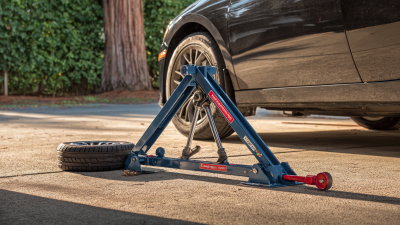
Advantages of Using a Portable Hydraulic Car Jack for Everyday Needs
-

Elevate Your Auto Repairs Swiftly with the Best Portable Car Lift of 2023
-

Maximize Your Investment with 5 Essential Tips for Affordable Repair and After Sales Support on Best Portable Truck Jack
-
The Future of Portable Trolley Jacks in Global Manufacturing
-
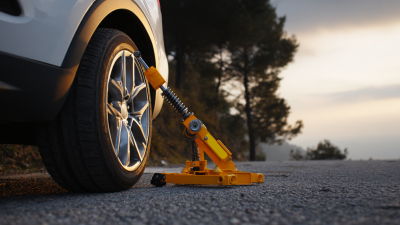
Advantages of Using a Portable Car Jack for Roadside Assistance
-

How to Choose the Best Quick Car Jack for Your Needs
