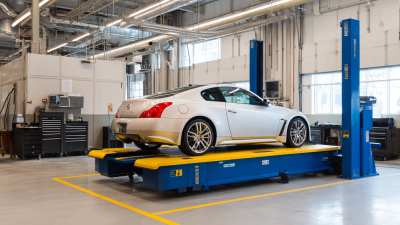
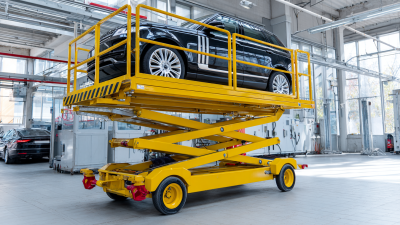
When you're working in an automotive workshop, having the right tools can make a huge difference. One of the most handy tools out there is the Portable Car Lift Hydraulic—it's a game changer for mechanics because it makes lifting vehicles so much easier and safer. Honestly, this kind of convenience not only boosts efficiency but also keeps things safer for everyone in the shop.
There are tons of brands offering all kinds of options, from small, compact lifts to heavy-duty ones that can handle bigger vehicles. It can feel pretty overwhelming trying to pick the right one. But if you know what to look for—like durability and quality—you’ll be in better shape. You want a lift that’s going to last and can support the weight of heavy-duty cars without breaking a sweat.
That said, not every lift is perfect for every situation. Smaller lifts might struggle with larger vehicles, while bigger, heavy-duty lifts can take up a lot of space in a tight workshop. So, it’s super important to really think about what your workshop needs. The key is finding that sweet spot where the lift is powerful enough but still fits comfortably into the space you have. It’s all about balancing functionality with practicality, right?

Understanding Portable Car Lifts: Key Features and Benefits
Understanding portable car lifts is essential for any workshop. These tools offer various benefits for vehicle maintenance. According to industry statistics, nearly 25% of mechanics prefer using portable options due to their space-saving design and mobility. This versatility allows for efficient use of smaller workspaces, which is vital in crowded garages.
Key features to consider include weight capacity, lifting height, and ease of use. Many portable lifts can raise vehicles up to 5,000 pounds and provide an impressive lift height of 48 inches or more. Mechanics often highlight the importance of selecting a model that balances capability and convenience. A reliable lift can enhance productivity, helping you complete tasks quickly.
Tips: Always inspect the hydraulic system before each use. Ensure the lift is on a stable surface for safety. Training team members on proper usage is critical for preventing accidents. Evaluate your workspace frequently, as conditions might change and affect lift performance. Focus on maintenance as well. Ignoring minor issues can lead to significant problems later.
Types of Hydraulic Car Lifts Available for Workshops
When it comes to hydraulic car lifts, understanding the various types is essential for any workshop. Professionals often favor two-post lifts for their balance, which can typically handle up to 10,000 pounds. According to industry experts, modern hydraulic systems ensure safety and efficiency. These lifts can accommodate a variety of vehicles, from compact cars to SUVs, showcasing their versatility.
Another popular choice is the four-post lift. This option provides added stability and is ideal for heavier vehicles. Studies suggest that four-post lifts can lift up to 20,000 pounds, making them reliable for larger trucks. However, they require more space and a solid foundation. It's critical to assess your workshop's dimensions before installation.
Additionally, scissor lifts offer a compact alternative. They take up less floor space and can lift vehicles for easy access to the undercarriage. Industry data shows that scissor lifts usually support up to 6,000 pounds. Despite their benefits, these lifts may not be suitable for all workshop layouts. Each option presents unique advantages and limitations, making careful selection vital.
Top Portable Car Lift Brands on the Market Today
When considering portable car lifts, it's essential to understand the top brands available today. Industry reports indicate that the market for portable car lifts has seen a surge in demand, with a 15% annual growth rate. This growth reflects the increasing need for efficient and flexible workshop solutions.
Leading brands are known for their reliability and ease of use. Users often report greater efficiency with hydraulic options, which can lift vehicles up to 3 tons. Such capacity is ideal for both small workshops and home garages. However, it’s crucial to choose models that comply with safety standards to avoid accidents.
Tip: Always check the lift's weight capacity before making a purchase. Analyzing customer reviews can also help assess a brand's long-term reliability.
When selecting a portable car lift, consider maintenance requirements. Some models might demand more upkeep than others. This is a factor many overlook, yet it impacts the overall cost-effectiveness of the lift.
Tip: Regular maintenance checks can prevent larger, costlier repairs down the line. Remember, investing in a quality product can save time and money in the long term.
Factors to Consider When Choosing a Portable Car Lift
When selecting a portable car lift, several crucial factors must be considered. One essential factor is the lift's weight capacity. Reports indicate that most portable lifts range from 6,000 to 10,000 pounds. Choosing a lift that can support the types of vehicles you service is vital. Overestimating can lead to safety risks, while underestimating can damage vehicles or the lift itself.
Another aspect to consider is the lift's height range. Many professionals recommend lifts that can raise vehicles at least 48 inches. This height allows mechanics to work comfortably underneath. However, not every workshop has the required ceiling height, so evaluating your workspace is crucial. A lift that is too tall may not function effectively in smaller workshops.
Tips: Always read product specifications carefully. Many users overlook this and end up disappointed. Check the hydraulic system. A poor-quality system can lead to inconsistent lifting. Also, review customer feedback. Real-world experiences often reveal issues that manufacturer descriptions may not cover. Reflections on past choices often lead to better-informed decisions.
Safety Features to Look for in Hydraulic Car Lifts
When selecting a hydraulic car lift, safety features should be a top priority. Look for models equipped with automatic safety locks. These locks engage if there is sudden power failure, preventing the vehicle from falling. Additionally, a sturdy base is crucial. A stable lift will reduce the risk of tipping during use.
Another important safety aspect is the weight limit. Verify that the lift can handle the weight of the vehicles you intend to work on. Many lifts include overload protection, which alerts you if the weight exceeds safe limits. Regular maintenance checks should also be part of your safety routine. Hydraulic fluid leaks or worn cables can cause serious accidents.
Stay aware of the lifting speed. While a faster lift may seem convenient, it can lead to risks if not controlled. Look for smooth raising and lowering mechanisms. Furthermore, consider how the lift responds to different vehicle heights. A model with flexible height adjustments can help prevent hazards. Paying attention to these details ensures a safer workshop environment.
Top 5 Portable Car Lift Hydraulic Options for Every Workshop
| Model |
Lifting Capacity (lbs) |
Lifting Height (inches) |
Weight (lbs) |
Safety Features |
| Portable Dual-Post Lift |
6000 |
70 |
250 |
Safety locks, overload protection |
| Electric Scissor Lift |
3000 |
48 |
500 |
Emergency stop button, non-slip surface |
| Hydraulic Floor Jack Lift |
4000 |
20 |
90 |
Safety valve, sturdy construction |
| Portable 2-Post Lift |
7000 |
75 |
300 |
Automatic locking system, dual safety release |
| Compact Hydraulic Lift |
3500 |
30 |
60 |
Overload protection, safety stop |
Comparative Analysis of the Best Portable Car Lifts
When selecting a portable car lift, there are several factors to consider. The lift's weight capacity is crucial. Most vehicles require a lift that can handle at least 6,000 pounds. Additionally, the design should offer stability while lifting. You want a lift that ensures safety and ease of use.
Consider how you will transport it. Some lifts are compact; others are bulkier. A more portable model may require less space in your workshop. However, check the assembly time. Some lifts are easy to set up, while others demand more effort.
Tips: Always check reviews before purchasing. User feedback provides insights into a lift's long-term performance. Ensure you understand the maintenance needs. Regular upkeep prolongs the lift's life and ensures safety during use. Look for models with clear instructions for troubleshooting. The more informed you are, the better your choice will be.
Lastly, consider your workshop's layout. The lift should fit seamlessly into your space. Remember, the best option balances efficiency, safety, and practicality for your specific needs. Sometimes, the most popular lift may not be the best fit for you. Stay vigilant and choose wisely.
Maintenance Tips for Extending the Life of Your Car Lift
When using a portable car lift, proper maintenance is essential for longevity. Regular inspections can help identify issues before they become serious.
Check the hydraulic fluid levels frequently. Low levels can lead to pump damage, reducing the lift’s effectiveness. Tighten any loose bolts and inspect hoses for wear.
A small crack can lead to significant failures.
Cleaning the lift after each use is vital. Dirt and debris can wear down the components over time. Use a mild solution to wipe down the surfaces. Avoid harsh chemicals that may corrode the hydraulic seals.
In addition, consider lubricating the moving parts regularly, ensuring smooth operation. Remember, neglect can lead to costly repairs or complete replacement.
Don’t forget about proper storage. If the lift will not be used for an extended period, ensure it's stored in a dry place. Moisture can cause rust and damage electronic components.
Consider covering it to protect it from dust. Reflect on how often these steps are performed. Every action contributes to the equipment's reliability.
FAQS
: Most portable lifts range from 6,000 to 10,000 pounds. Choose one suitable for the vehicles you service.
A minimum height of 48 inches is recommended. This allows for comfortable workspace underneath the vehicle.
Your workshop's ceiling height affects lift functionality. A lift too tall may not operate effectively in smaller spaces.
Inspect the hydraulic system's quality. Poor systems can lead to inconsistent lifting and safety risks.
Reviews often highlight real-world performance issues. Product descriptions may not cover every potential downside.
Yes, some models require more setup time than others. Consider how much effort you are willing to invest.
Regular upkeep is essential. It ensures safety and prolongs the life of your car lift.
Assess your space and choose a lift that fits seamlessly. Efficiency and practicality are key in this decision.
Reflecting on past decisions can inform better choices. Learning from previous experiences often leads to smarter selections.
Conclusion
The article "Top 5 Portable Car Lift Hydraulic Options for Every Workshop" provides a comprehensive overview of the essential features and benefits of portable car lifts, emphasizing their practicality for various workshop environments. It categorizes the different types of hydraulic car lifts available, equipping readers with knowledge about which options may best suit their specific needs. Additionally, it delves into critical factors to consider when selecting a portable car lift hydraulic, including safety features and maintenance tips, ultimately guiding users towards making informed decisions.
Furthermore, the comparative analysis of the best portable car lifts highlights their performance, efficiency, and user-friendliness, offering insights into how to maximize the utility of these lifts in a workshop setting. With a focus on longevity and safety, the article serves as an invaluable resource for professionals seeking reliable hydraulic solutions for their automotive tasks.