0%

When it comes to the lifting industry, using the right techniques is absolutely key—both for safety and getting the job done efficiently. I mean, according to a report from OSHA, careless lifting causes thousands of injuries every year. It’s pretty eye-opening. That’s why, honestly, understanding the so-called 'Quick Link Of Liftinging' (yeah, weird name, I know) is super important for anyone working in this field.

Getting the hang of proper lifting strategies can really make a difference. For example, the National Safety Council mentions that just by sticking to good techniques, injury rates related to strain can drop by more than 30%. Sadly, a lot of folks skip the basics, which leads to preventable accidents. Plus, a lot of companies don’t seem to put enough emphasis on proper training or provide the necessary resources, which doesn’t help.

Knowing about this 'Quick Link Of Liftinging' can actually give workers more confidence and make workplaces safer. But, here’s the thing—there's still a big gap between knowing what to do and actually doing it. Looking back at some past incidents, it’s clear we need to keep pushing for better training and constantly improving our safety habits.

Building a real safety culture isn’t just about following rules; it’s about making continuous learning and good practices a top priority. Focusing on these key links isn’t just a smart move—it’s a must if we wanna make the industry safer down the line.

Top Quick Link Of Lifting Techniques You Need to Know?

Understanding the Importance of Proper Lifting Techniques

Proper lifting techniques play a crucial role in workplace safety. According to the Bureau of Labor Statistics, over 30% of workplace injuries are due to improper lifting. These injuries often lead to long-term health issues, affecting mobility and quality of life.

Understanding the mechanics of lifting can help prevent injuries. For instance, using your legs rather than your back is essential. Studies indicate that using the proper method can reduce the risk of injury by up to 75%. Yet, many still overlook these basic techniques. It's common to see workers lift heavy objects without bending their knees or maintaining a proper grip.

In addition to physical injuries, improper lifting can result in financial burdens for individuals and companies. The National Safety Council reports that back injuries cost employers billions in lost productivity and medical expenses. These figures should be a wake-up call. Workers need continuous training and reminders on lifting techniques. Despite knowing the risks, bad habits persist. Reflecting on this issue is vital for improving workplace safety and well-being.

Understanding the Importance of Proper Lifting Techniques

Overview of Common Lifting Techniques for Safety and Efficiency

Lifting techniques play a crucial role in ensuring safety and efficiency in various environments. Knowing how to lift correctly can prevent injuries and improve productivity. Many people overlook the basics, leading to mistakes and accidents. When lifting heavy objects, it's essential to assess the load first. Is it too heavy? Can someone help?

Proper body posture is vital. Keep your back straight and bend your knees. Avoid twisting your body while lifting. Instead, turn your feet. This simple adjustment can save you from back pain. Grip the object firmly and hold it close to your body. Many forget this step, often leading to strain.

It's also important to take breaks. When lifting repetitively, fatigue sets in quickly. Listen to your body; if you're tired, rest. Assess your lifting environment regularly. Are there obstacles? Is the floor even? Small details can greatly impact safety. Reflection on past experiences can reveal areas for improvement. Recognizing mistakes is the first step toward better lifting practices.

Step-by-Step Guide to the Squat Lift Technique

The squat lift technique is foundational for effective strength training. It engages multiple muscle groups, including your quadriceps, hamstrings, and glutes. According to the National Strength and Conditioning Association, proper form in squats can enhance performance and reduce injury risks by up to 50%.

When performing a squat lift, keep your feet shoulder-width apart. Lower your body as if sitting back into a chair. Your knees should not extend past your toes, maintaining alignment. Engage your core throughout the movement. This helps balance and stability, reducing the likelihood of injury.

Tips: Always warm up before lifting. A proper warm-up increases blood flow and prepares muscles. Additionally, start with lighter weights to master form. Gradually increase weight as strength improves. Remember, not all days will be perfect. Listen to your body, and adjust as needed. Focus on quality over quantity for lasting progress.

Executing the Hip Hinge Technique for Heavy Lifting

Top Quick Link Of Lifting Techniques You Need to Know?

The hip hinge technique is crucial for effective heavy lifting. This method helps protect your back and maximizes strength. When performed correctly, it engages your glutes and hamstrings. Many people make the mistake of bending at the waist. This can lead to injuries over time. Instead, focus on pushing your hips back while keeping your spine neutral.

To master the hip hinge, start with simple movements. Stand upright and practice leaning forward at the hips. Keep your knees slightly bent. Make sure to maintain a straight back. This exercise may feel awkward at first. Reflect on how your body moves and adjust accordingly.

Here are some tips: Always brace your core before lifting. This provides support for your spine. Experiment with different stances to find what feels best for you. Remember, practice is key. Consistent effort will help improve your technique. Stay patient; it takes time to perfect this lift.

Using the Power Lift Method for Maximum Strength

When it comes to lifting techniques, understanding the Power Lift Method can be a game changer. This technique focuses on maximizing strength by using a strong foundation. Proper stance is crucial here. Feet should be shoulder-width apart for balance. You want to grip the bar firmly. Awareness of your body positioning matters. Don't overlook how your back should remain straight. It’s common to round your back; this can lead to injuries.

Another aspect of the Power Lift Method is the timing of your lift. You’ll find that breathing plays a key role. Inhale deeply before beginning the lift. Exhale forcefully as you push through the movement. Fine-tuning these details can take practice. Each lift offers room for reflection and growth. Evaluate your form regularly. Are you generating enough power? It’s okay to feel weak at times; that just highlights where you need to improve.

Listening to your body is equally important. Fatigue can affect your form, so take breaks. Sometimes you may need to reduce the weight. Focus on quality over quantity. Every lift matters, even if it feels small. Staying consistent and giving yourself grace is key to mastering this technique. Aim for progress, not perfection.

Top Quick Link Of Lifting Techniques You Need to Know

Technique Description Benefits Common Mistakes
Power Lift A compound exercise focusing on increasing overall strength through explosive lifting. Increased muscle strength, improved power output, better lifting technique. Poor foot positioning, improper grip width, not engaging the core.
Squat A lower body exercise that targets the quadriceps, hamstrings, and glutes. Strengthens legs, improves mobility, enhances athletic performance. Knees caving in, improper depth, lifting heels off the ground.
Deadlift A total body exercise focusing on the posterior chain by lifting a weight from the ground. Builds back strength, improves grip strength, boosts overall muscle mass. Hunching the back, improper bar path, not engaging legs.
Bench Press A chest exercise performed by pressing a weight upwards while lying on a bench. Builds upper body strength, enhances pushing power, increases muscle mass. Bouncing the bar, lifting feet off the ground, improper grip width.

Tips for Lifting in a Non-Traditional Environment

Top Quick Link Of Lifting Techniques You Need to Know?

Lifting in a non-traditional environment presents unique challenges. Always observe your surroundings. Is the surface uneven? Are there obstacles nearby? Prioritize safety above all. Keep your feet shoulder-width apart for balance. Use your legs, not your back, to lift. This reduces the risk of injury while adapting to different settings.

Consider various materials. Some items may be slippery or hot. Always test the weight before lifting. If it feels too heavy, seek help. It’s okay to admit when something is beyond your capacity. Communication is key in these situations. Don’t hesitate to ask for assistance from others nearby.

Flexibility in lifting techniques is crucial. Use unconventional grips or stances as needed. Experiment with different approaches, but stay aware of your body’s limits. Every environment is different. Reflection on your lifting methods can lead to better strategies. Be patient with yourself and learn from each experience.

Preventing Injuries: Best Practices and Common Mistakes to Avoid

Lifting techniques are crucial for preventing injuries. Many people overlook the basic principles of safe lifting. Ignoring these can lead to serious problems. One common mistake is improper body mechanics. When bending at the waist, the back takes the load. This puts undue stress on spinal discs.

Using legs for lifting is essential. Strong leg muscles can bear more weight. However, many individuals forget to engage their leg muscles. They rely solely on their backs. This approach increases the risk of strains and sprains. It’s important to maintain a stable stance. Standing too far from the object can also cause issues.

Lastly, awareness of surroundings plays a key role. Cluttered spaces lead to accidents. Focus on the path you will take. Look out for obstacles. Sometimes, overconfidence can lead to careless mistakes. Remember that lifting should never be a race. Taking your time can make a significant difference.

Maximizing Efficiency with the Portable Car Quick Lift DC Series: A Comprehensive Guide to Elevating Your Vehicle Maintenance Experience

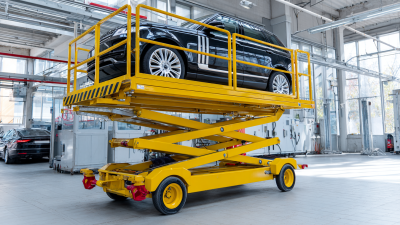
The Portable Car Quick Lift DC Series is designed to revolutionize your vehicle maintenance experience by maximizing efficiency and convenience. This innovative lifting system consists of two lightweight lifting frames and a compact power unit, allowing for easy storage and transport. Whether you're a professional mechanic or a DIY enthusiast, the split design of this lift ensures that it can be effortlessly maneuvered and set up in any garage setting.

One of the standout features of the DC Series is the portability of its single frame lifting mechanism. Weighing less than traditional lifts, it can be easily carried by one person. This is enhanced by the use of tow wheels and universal wheels, making it simple to adjust the lifting position as needed. These practical design elements not only save time but also provide adaptability for a variety of maintenance tasks, ensuring that you can focus on what matters most—getting your vehicle back in optimal condition swiftly.

With the Portable Car Quick Lift DC Series, elevating your vehicle has never been more straightforward. Its user-friendly approach is complemented by the effectiveness of its lifting capabilities, bringing professional-quality maintenance within reach of every vehicle owner. This convenient solution empowers users to handle repairs and inspections with ease, transforming the way vehicle maintenance is approached.

FAQS

: What is the purpose of the product?

: The product aims to enhance daily convenience. It can simplify routine tasks.

How should I use the product?

Using the product is straightforward. Follow the instructions provided in the manual.

Is there any maintenance required?

Regular cleaning is necessary. This helps ensure optimal performance and longevity.

Can the product be used outdoors?

Yes, but use caution in extreme weather. It may not withstand heavy rain or snow.

What should I do if the product doesn't work?

Check the power source first. If issues persist, consult the troubleshooting guide.

Can I return the product if I'm unsatisfied?

Yes, returns are accepted within a specified period. Ensure the product remains in original condition.

Is there a warranty available?

A limited warranty is provided. It covers manufacturing defects for a certain timeframe.

How can I get customer support?

Customer support can be reached via email or phone. They are available during business hours.

Are there any safety precautions to consider?

Yes. Avoid water exposure and keep it away from children. Safety is a priority.

Can the product be used with other accessories?

Compatibility varies. Check the manual to confirm which accessories are allowed.

Conclusion

In the article "Top Quick Link Of Lifting Techniques You Need to Know," the importance of proper lifting techniques is emphasized to promote safety and efficiency in various lifting scenarios. A comprehensive overview of common lifting techniques is provided, including a step-by-step guide to the squat lift technique, instructions for executing the hip hinge technique for heavy lifting, and methods like the power lift for maximizing strength.

Additionally, the article offers tips for lifting in non-traditional environments and highlights best practices while identifying common mistakes to avoid to prevent injuries. By understanding and applying this Quick Link Of Liftinging, individuals can enhance their lifting proficiency while maintaining safety and reducing the risk of injury.

Ethan

Ethan

Ethan is a dedicated marketing professional at Yantai Tonghe Precision Industry Co., Ltd., where he plays a vital role in promoting the company's innovative hydraulic control systems, cylinders, and car lifts. With a remarkable expertise in the intricacies of these advanced products, he......
Previous Innovative Solutions for Maximizing Efficiency with the Best 6000 Lb Car Lift