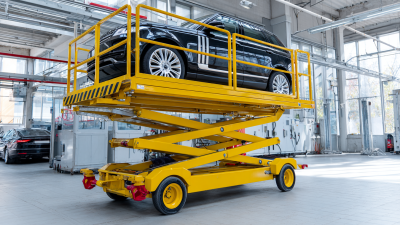
So, what's the best portable car lift from China? Honestly, there's no single answer. It really comes down to your vehicle range, how much shop space you have, the lifting height you need, and how often you use it. A compact portable car lift can be great for a home garage, while a heavier model might make more sense for tire service or underbody repairs. The right pick starts with verified specs—not glossy photos or the cheapest quote you can find.
When you evaluate one, look at rated capacity, minimum and maximum height, platform width, locking positions, hydraulic performance, and power requirements. Make sure it fits your floor conditions and your vehicle's wheelbase. Measure twice, seriously. A cramped garage can make even a good lift hard to use safely. Also check weld quality, steel thickness, hose protection, control valves, and emergency lowering functions. These details often tell you way more than the brochure does.
A reliable Chinese supplier should give you clear manuals, load-test records, spare-parts support, and responsive technical communication. Ask for videos showing the lift actually working. Request inspection photos before shipment. Independent testing can help reduce uncertainty too. Still, paperwork doesn't replace careful checking. A certificate may confirm a standard, but it can't prove every single unit was assembled perfectly.
There's no universal best model. A low price can be tempting, sure. But it may also hide weaker components or limited after-sales service. Experienced buyers compare the complete ownership cost—shipping, installation, maintenance, and replacement parts. This guide will look at popular Chinese options through practical use, safety design, manufacturer credibility, and long-term value. Some conclusions may stay imperfect, because real workshop conditions differ. And that limitation is worth paying attention to.
Chinese manufacturers produce several portable car lift types for garages, mobile technicians, and inspection bays. Mobile scissor lifts raise vehicles from the chassis and fold into a compact footprint. They suit brake work, tire changes, and underbody inspections. Their wide platforms improve stability, but ramp length can limit access to low vehicles.
Single-post portable lifts use one central column and movable supports. They save floor space and allow clearer access around the vehicle. However, correct support-point placement is essential. A small positioning mistake can affect balance. Frame-engaging lifts use adjustable arms or lifting pads, making them more flexible for different wheelbases. They often require a smooth, level floor.
Portable two-post designs provide stronger underbody access and greater working height. Some Chinese factories also manufacture low-rise platform lifts and compact air-assisted jacks for quick service tasks. These options are convenient, but they do not replace a full-height lift for every repair.
When evaluating a Chinese-made lift, inspect the steel thickness, weld quality, locking system, hydraulic seals, and emergency lowering method. Ask for rated-load testing and maintenance instructions. Confirm that the stated capacity matches real working conditions, not only laboratory figures. In practical use, portability sometimes reduces lifting height or stability. That trade-off is easy to underestimate. Local safety requirements should also be checked before installation and regular operation.
What Is the Best Portable Car Lift from China?
Choosing the right portable car lift starts with your vehicle, not the supplier’s product photos. Measure the wheelbase, tire width, chassis clearance, and total vehicle weight. A lift rated just above your car’s weight may leave too little safety margin. More capacity is not always better if the frame becomes difficult to move or store.
Check the lifting height against your actual work. Will you change tires, inspect brakes, or stand beneath the vehicle? A low-rise model may suit home maintenance, while a higher lift needs a stable floor and greater ceiling clearance. Look for mechanical locking positions, balanced lifting points, protected hydraulic lines, and clearly marked controls. Steel thickness matters, but weld quality and load distribution matter more. Ask for test records, operating instructions, and replacement-part support from the Chinese manufacturer.
I once focused too much on lifting height. That was a mistake. A lift can rise high but still feel awkward in a narrow garage. Measure the storage space with the ramps folded or removed. Consider the power supply, noise level, moving wheels, and setup time. A reliable seller should explain inspection routines and limitations without making dramatic promises. Check whether the lift fits your vehicle’s approved lifting points. Never rely on improvised blocks or uneven flooring. Small details decide whether the equipment feels controlled after several uses.
When choosing the best portable car lift from China, inspect engineering before appearance. A high-quality unit should state its rated capacity, lifting range, platform width, and unloaded weight. These figures must match your vehicles, not just promotional photos. During hands-on checks, look for stable contact pads, smooth movement, and mechanical locks that engage at several heights. The lift should remain steady on a clean, level floor. Small details matter.
Strong structural steel, consistent welds, and protected hydraulic lines improve working life. Ask for load testing records, material information, and clear inspection procedures. Reliable manufacturers can explain how each batch is checked. A practical portable lift needs locking casters or controlled rolling, but it must not move while raised. Emergency lowering is essential. Controls should remain readable with oily gloves. Electrical parts need suitable protection for the intended workspace.
Check the minimum vehicle clearance and lifting points carefully. A low sports car and a compact van may require different adapters. Good instructions show diagrams, maintenance intervals, and warning points without vague translation. Verify local certification requirements before importing or using the equipment. No lift is perfect. Some lightweight models sacrifice speed or height for easier storage. That trade-off can work, but only when the rated capacity remains honest. Poorly positioned wheels, hoses, or adapters can make a portable lift frustrating to use.
Key features of a high-quality portable car lift include sufficient rated capacity, stable lifting performance, suitable clearance, and easy mobility. The chart compares representative rated-capacity levels commonly used for portable automotive lift categories.
Capacity figures are representative category values in metric tonnes, not brand-specific specifications. Always select a lift with a rated capacity above the vehicle’s maximum loaded weight and verify local safety requirements.
When choosing a portable car lift from China, certification should come before price or lifting height. EN 1493 covers vehicle-lift safety in Europe, while ANSI/ALI ALCTV sets automotive-lift requirements in North America. Ask for the exact certificate, not a general factory document. The model number, rated load, serial range, and testing laboratory should match the lift delivered.
Look closely at mechanical locks, hydraulic hose protection, emergency lowering, and platform stability. A reliable unit should show its safe working load clearly. Check welds around the arms and frame. They should appear even, without visible pores or sharp cracks. The 2023 Safety Gate report recorded 3,412 alerts for dangerous products in Europe. That figure is not lift-specific, but it shows why traceability matters. A CE marking alone is not enough.
Request a risk assessment based on ISO 12100 and test records from an ISO/IEC 17025-accredited laboratory. Confirm whether testing covered uneven floors, overload protection, and repeated lifting cycles. I would also ask for inspection intervals and replacement-part procedures. Certificates can look convincing. That assumption is risky. During a practical check, lower the lift slowly and listen for uneven movement. A small hesitation may reveal a larger maintenance problem. The U.S. Bureau of Labor Statistics recorded 5,283 fatal workplace injuries in 2023, reinforcing the need for documented controls, trained users, and physical safety locks.
What Is the Best Portable Car Lift from China?
Leading Chinese portable car lift manufacturers usually compete through practical engineering, flexible production, and export experience. The strongest manufacturers build lifts for garages, mobile technicians, and small workshops. Their designs often include compact frames, locking systems, reinforced lifting arms, and adjustable support points. These details matter when the floor is uneven or working space is limited.
A reliable Chinese manufacturer should provide clear load ratings, lifting height, cycle testing, and maintenance instructions. Ask for welding inspection records and material specifications. Hydraulic components should be easy to replace through an established parts service. A detailed user manual is essential, especially for installation and emergency lowering procedures. Certification documents should match the destination market, not merely show a generic laboratory report.
Price deserves careful attention. A low quotation may reduce transport costs, but it may also reflect thinner steel or limited after-sales support. That risk is easy to overlook. Buyers should inspect factory videos, sample units, packaging methods, and customer feedback from similar workshops. Communication is another useful test. Serious manufacturers answer technical questions with measurements and evidence, rather than broad promises.
The best portable car lift is not always the cheapest model. It should offer stable operation, traceable quality, and practical support after delivery. Even experienced buyers can miss small details, such as connector standards or replacement seal availability. A careful comparison prevents expensive surprises.
| Portable Lift Configuration | Typical Rated Capacity | Typical Maximum Lift Height | Typical Lifting Time | Power Requirement | Approximate Unit Weight | Vehicle Compatibility | Primary Advantages | Important Limitations | Best Fit | Overall Suitability |
|---|---|---|---|---|---|---|---|---|---|---|
| Portable Mid-Rise Scissor Lift | 2,700–3,500 kg | 1,000–1,350 mm | 45–60 seconds | 220 V, single-phase; commonly 2.2–3.0 kW | 600–850 kg | Passenger cars, compact SUVs, and light vans within the rated load | Good access to wheels, brakes, suspension, and underbody areas; compact storage footprint | Lift height is usually insufficient for comfortable standing work; ramp and arm clearance must be checked | Home garages, tire service, detailing, and light mechanical work | ★★★★★ |
| Portable Full-Rise Scissor Lift | 3,000–4,000 kg | 1,800–2,000 mm | 50–70 seconds | 220 V, single-phase; commonly 2.2–3.0 kW | 900–1,300 kg | Most passenger vehicles and many light commercial vehicles within the rated load | Provides near-standing working height while remaining relocatable; broad platform support | Heavier and more expensive than mid-rise designs; platform structure can restrict some underbody access | Professional workshops requiring flexible vehicle access | ★★★★★ |
| Portable Single-Post Lift | 2,500–3,000 kg | 1,600–1,900 mm | 45–60 seconds | 220 V, single-phase; commonly 2.2–3.0 kW | 500–750 kg | Passenger cars and selected compact SUVs with approved lifting points | Small footprint, relatively easy relocation, and convenient side access | Requires careful load positioning; central post may limit access and vehicle compatibility | Space-limited garages and occasional maintenance | ★★★★☆ |
| Portable Two-Post Lift | 3,000–4,000 kg | 1,700–1,900 mm | 50–75 seconds | 220 V or 380 V; commonly 2.2–3.0 kW | 850–1,300 kg | Passenger cars, SUVs, and light vans when the adapter range is suitable | Excellent wheel and underbody access; familiar design for general repair work | Needs a stable, level surface and adequate clearance; portable versions may require more setup time | Repair shops needing full underbody access | ★★★★☆ |
| Portable Mobile-Column Lift Set | 16,000–28,000 kg per complete set | 1,500–1,900 mm | 90–180 seconds | 380 V, three-phase; commonly 2.2–3.0 kW per column | 1,200–2,000 kg per complete set | Light commercial vehicles, buses, and trucks depending on column quantity and capacity | High capacity, flexible bay usage, and good wheel access | High purchase cost, substantial storage requirements, and stricter synchronization procedures | Commercial vehicle workshops and fleet maintenance facilities | ★★★★☆ |
| Portable Parking Lift | 2,000–3,500 kg | 1,500–1,900 mm | 50–80 seconds | 220 V, single-phase; commonly 2.2–3.0 kW | 650–1,000 kg | Passenger cars and selected SUVs; vehicle dimensions must match platform limits | Creates an additional parking position and can often be moved when unloaded | Not intended for unrestricted underbody servicing; overhead and platform clearance are critical | Garages, storage facilities, and vehicle parking management | ★★★☆☆ |
| Selection note: The best portable car lift depends on rated capacity, lifting-point compatibility, available floor area, power supply, required working height, and the intended service type. The specifications above are representative market ranges for commonly manufactured portable lift configurations; confirm the exact load chart, safety certification, installation requirements, and warranty terms before purchase. | ||||||||||
When comparing a portable car lift from China, do not judge the factory price alone. Freight, import duties, installation tools, training, and replacement parts can change the final cost significantly. Request a complete landed-cost quotation. It should list lifting capacity, platform size, power requirements, packaging, and delivery terms. A low quote may exclude critical accessories.
Warranty terms need careful reading. Ask whether coverage includes hydraulic pumps, seals, control units, welds, and structural components. A two-year frame warranty means little if electrical parts receive only three months. S&P Global Mobility reported that the average U.S. light vehicle age reached 12.6 years in 2024. Older vehicles increase demand for reliable repair equipment.
Request written load-test procedures and maintenance intervals. The Automotive Lift Institute emphasizes proper installation, inspection, and operator training for lifting safety. Certification or compliance documents should be verifiable, not merely printed in a brochure.
After-sales support often separates a workable lift from an expensive problem. Confirm response times, spare-parts availability, remote troubleshooting, and local service partners. Ask for a parts catalog with prices. A video call can reveal how quickly technical staff understand a fault.
Still, support promises are easy to overvalue. I would test them before ordering by sending three technical questions. Slow replies are a warning. My own comparison method is not perfect; delivery delays and exchange-rate changes can defeat a careful spreadsheet. Leave a contingency budget of about 10% for unexpected costs, and keep every warranty promise in writing.
A portable DC-series quick lift offers a practical solution for faster and more organized vehicle maintenance. Its compact split design divides the complete system into two lifting frames and one power unit, making each component easier to move, store, and prepare for use. Since the equipment can be stored separately, it is suitable for garages and workspaces where saving floor space is important.
Each lifting frame is light enough to be carried by one person, helping reduce setup effort and improve daily handling. Built-in tow wheels make it easier to move the frames across the workspace, while universal wheels support precise adjustment of the lifting position. This mobility allows technicians to align the lift more efficiently before beginning maintenance, reducing unnecessary repositioning and improving workflow.
Once correctly positioned and operated according to the equipment instructions, the lift can provide a convenient way to raise vehicles for routine inspection, servicing, and repair tasks. Its two-frame structure combines portability with a practical lifting arrangement, helping users work more comfortably while keeping the equipment easy to transport and store between jobs.
Measure the wheelbase, tire width, chassis clearance, and total weight. Choose a lift with a generous capacity margin. Not just a slightly higher rating.
A low-rise lift suits tire changes and brake inspections. Higher models require stable flooring and enough ceiling clearance. Measure your real workspace.
Look for mechanical locks at multiple heights and balanced lifting points. Protected hydraulic lines are also important. The lift must not move while raised.
It can, especially in a small garage with limited storage. However, lighter frames may sacrifice speed or lifting height. That trade-off deserves careful thought.
Request load-test records, material details, weld inspections, and operating instructions. Ask how each production batch is checked. Evidence matters more than polished photos.
Compare the lift’s minimum clearance with your approved lifting points. A low sports car may need different adapters than a compact van. Do not improvise.
Check folded storage size, wheel design, setup time, noise, and power requirements. Controls should remain readable with oily gloves. Small details become annoying quickly.
Confirm hydraulic seals, connectors, adapters, and electrical parts are available. Clear maintenance intervals should appear in the manual. I once ignored replacement support. It was a mistake.
Choosing the best Portable Car Lift from China requires more than comparing prices. Buyers should first understand the main types available, such as scissor, two-post, four-post, and compact mobile lifts, then match the lift’s capacity, height range, platform size, and portability to their vehicle and workspace. A high-quality model should use durable materials, stable locking systems, reliable hydraulic or mechanical components, and practical safety features that support secure lifting and lowering.
Before making a purchase, check whether the Portable Car Lift meets recognized safety standards and comes with suitable testing or certification documents. It is also important to compare manufacturers based on production experience, quality control, customization options, warranty coverage, spare-parts availability, and after-sales support. A lower initial price may not represent the best value if installation guidance, maintenance assistance, or replacement parts are difficult to obtain. By evaluating performance, safety, service, and total ownership costs together, buyers can select a dependable lift that suits both professional and personal vehicle maintenance needs.